Untitled-1-01Untitled-1-01

brandesignbd

Graphic Design Service Provider

  • Home
  • About Us
  • Our Services
  • portfolio
  • Contact Us
  • Blog
Get Started

Home » negative space logo

Posts tagged: negative space logo

Symmetry and Negative Space Logo Design Idea

Symmetry and Negative Space Logo Design Idea

October 2, 2026
by badhan666@@ Graphic design
Symmetry and Negative Space Logo Design Idea

A strong logo can create a memorable identity through balance, proportion, and intelligent use of space. The Symmetry and Negative Space Logo Design Idea is built around these principles, using mirrored forms and carefully controlled empty space to create a distinctive and visually balanced symbol.

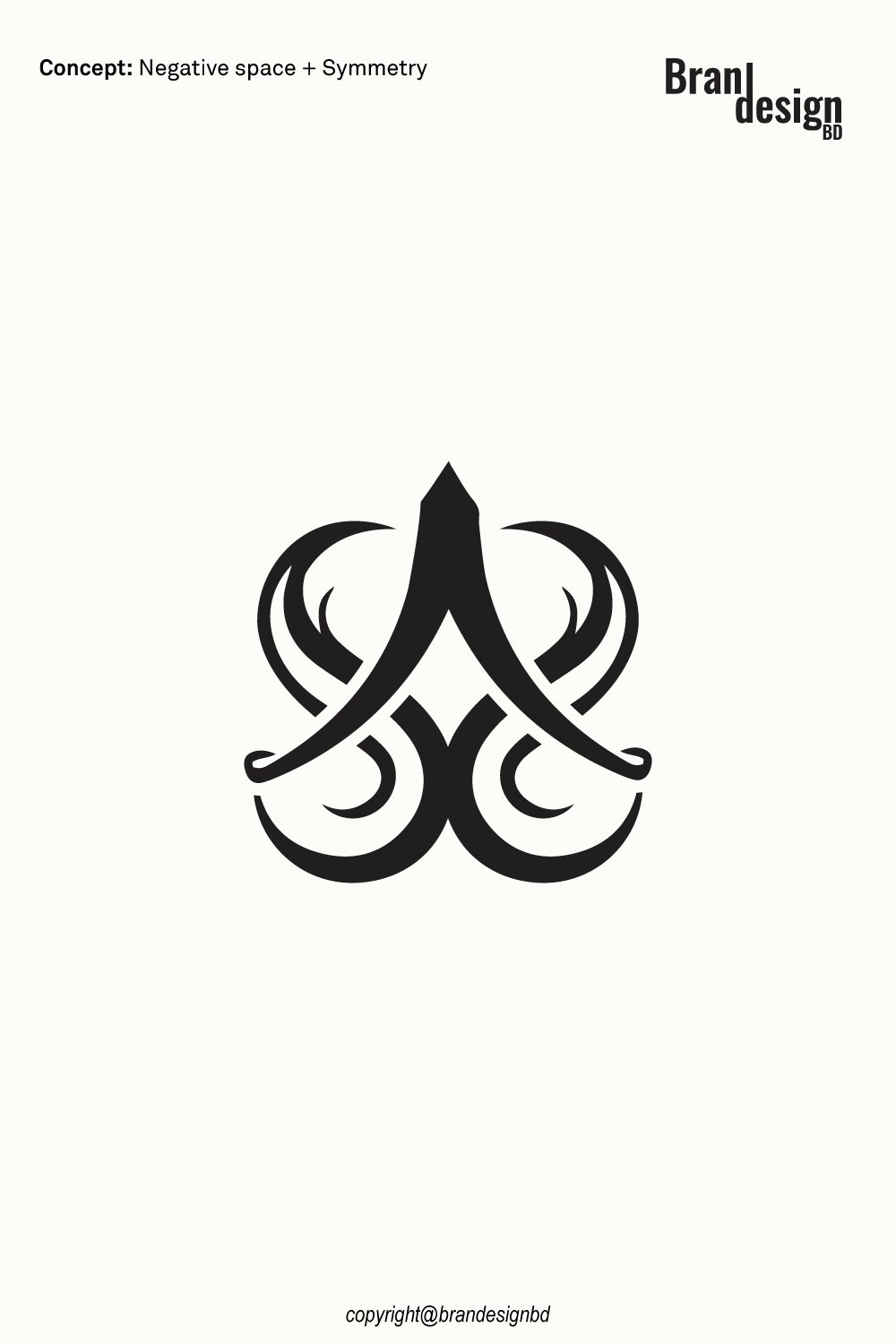
The logo features a symmetrical arrangement of flowing curves around a strong central structure. The mirrored composition creates a sense of order and harmony, while the negative space between the shapes introduces an additional visual layer.

Rather than relying on many separate graphic elements, the design uses a limited number of bold forms to create a sophisticated and recognizable mark. The result is a logo with a decorative yet modern character that can be adapted for a variety of professional and creative brands.

This type of logo can work well for businesses connected with fashion, beauty, jewelry, luxury products, lifestyle, architecture, interior design, creative agencies, personal brands, wellness, hospitality, and other industries that want a refined and distinctive visual identity.

The Concept Behind the Logo

A successful logo should have a clear visual idea. Instead of combining many unrelated symbols, this concept focuses on two fundamental design principles: symmetry and negative space.

Concept: Symmetry + Negative Space

The symmetrical structure gives the logo stability and visual harmony, while the negative space creates hidden shapes and breathing room within the mark. Together, these principles produce a logo that feels organized, elegant, and visually engaging.

Symmetry

A symbol of balance and harmony

Symmetry is one of the strongest visual principles used in this logo. The left and right sides are carefully balanced around a central axis, creating a mirrored composition.

This balance can communicate ideas such as harmony, stability, precision, unity, consistency, and professionalism.

Symmetrical logos can also be visually comfortable because the repeated relationship between the two sides creates a clear sense of structure.

In this design, the curved outer elements mirror one another while the central shape provides a strong visual anchor.

The Central Structure

Creating a strong visual focal point

The central vertical form gives the logo a clear point of focus. Its pointed upper section and flowing lower connections create a visual path through the center of the composition.

This central element helps hold the surrounding symmetrical forms together and gives the logo a stronger silhouette.

The combination of a strong center and mirrored sides creates a balanced visual hierarchy while keeping the overall design compact.

Negative Space

Creating meaning through empty space

Negative space is an important part of the logo’s visual identity. The empty areas between the dark shapes are not simply unused space; they actively contribute to the appearance and structure of the symbol.

The central negative space creates a distinctive opening that contrasts with the surrounding black forms. Additional curved spaces on either side help define the inner structure of the mark.

This approach allows the logo to communicate more through fewer shapes. It also creates an element of visual discovery because the viewer can notice different forms depending on how the symbol is viewed.

The Combined Symbol

Turning symmetry and space into one visual identity

The most interesting aspect of the concept is the relationship between symmetry and negative space.

The mirrored shapes create the overall structure, while the spaces between them help define the internal pattern. Neither element works independently; the positive and negative areas work together to create the final symbol.

This makes the logo visually distinctive without requiring excessive detail.

The balanced structure can also make the mark easier to recognize and reproduce across different brand applications, from digital platforms to printed materials.
Symmetry and Negative Space Logo Design Idea
Asking Price $500

For logo purchase or negotiation, please contact support@brandesignbd.com.

Logo Sale, Handover & NDA Information

All project handover agreements, ownership documentation, Non-Disclosure Agreement (NDA), and related communication will be handled through the email address provided above.
Once the logo is purchased, we will update the listing status to “Sold” and, upon request, add the buyer’s website or preferred address to the listing as confirmation of the sale. All necessary final files, ownership documentation, and agreed-upon project materials will be provided to the buyer after the purchase is completed.

Potential Applications for the Logo

A versatile logo should be able to represent a business across different industries and visual environments. The Symmetry and Negative Space Logo Design Idea can be adapted for a wide range of brand categories.

Fashion and Beauty Brands

Creating an elegant visual identity

The ornamental symmetry and flowing curves can work well for fashion labels, beauty businesses, salons, cosmetics companies, skincare brands, and accessory businesses.

The balanced shape can create a refined visual personality while the negative space adds a creative design element.

Jewelry and Luxury Brands

Communicating precision and sophistication

Symmetry is particularly suitable for brands that value precision, craftsmanship, and refined presentation.

The logo could be adapted for jewelry designers, luxury accessories, premium product collections, boutiques, and selected high-end lifestyle businesses.

A simplified one-color version can also work effectively on product tags, boxes, engraving, packaging, and certificates.

Architecture and Interior Design

Combining structure with artistic form

The strong central axis and balanced geometry provide a connection to structure and proportion, while the curved elements add a softer creative quality.

This combination can be suitable for architecture studios, interior designers, furniture brands, property-related creative businesses, and design-focused companies.

Creative Agencies and Personal Brands

Building a distinctive signature mark

The unusual combination of mirrored curves and negative space can give a creative business a recognizable signature.

The concept can be appropriate for designers, photographers, artists, creative studios, consultants, content creators, and personal brands looking for an identity that feels more symbolic than literal.

Wellness and Lifestyle Brands

Expressing calm and visual harmony

The balanced composition can also communicate a sense of harmony and order.

This makes the concept adaptable for selected wellness, lifestyle, mindfulness, hospitality, and experience-based brands that want a clean but artistic identity.

Originality and Copyright Verification

Originality is an important part of professional logo development. A logo should not simply imitate an existing identity or use another company’s protected artwork.

Yandex Image Search

Reviewing visual similarities

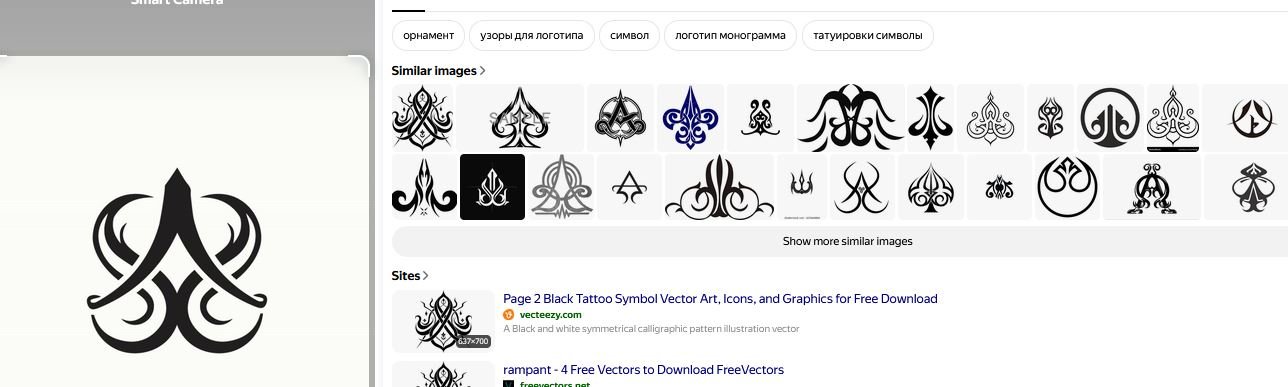
Yandex can be used as one part of a broader visual similarity review. Image search can help identify visually similar marks, concepts, or existing artwork that may appear online.

This type of search is useful during the design review process because it provides another opportunity to identify potential visual similarities before final delivery.
Originality and Copyright VerificationOriginality is an important part of professional logo development. A logo should not simply imitate an existing identity or use another company's protected artwork.Yandex Image SearchReviewing visual similaritiesYandex can be used as one part of a broader visual similarity review. Image search can help identify visually similar marks, concepts, or existing artwork that may appear online.This type of search is useful during the design review process because it provides another opportunity to identify potential visual similarities before final delivery.TinEye Reverse Image SearchChecking for matching or reused imageryTinEye is another reverse-image search resource that can help investigate whether a similar image or graphic appears elsewhere online.For logo development, reverse-image searches can support an originality review, particularly when the designer wants to check whether a visual element resembles existing online artwork.Non-Disclosure and Logo Handover AgreementProfessional logo projects may involve confidential business information. A client may share a company name, product concept, launch plan, marketing strategy, packaging information, or other materials that are not yet publicly available.Clear communication about confidentiality, ownership, and final deliverables can help establish expectations between the designer and buyer.Non-Disclosure AgreementProtecting confidential client informationA non-disclosure agreement, commonly called an NDA, can establish clear expectations regarding confidential information.Depending on the agreement, the designer may be required to keep private materials confidential and avoid sharing unreleased brand information, business documents, product concepts, or other protected project details without permission.An NDA should clearly define what information is confidential, how that information may be used, and what responsibilities apply after the project ends.Logo Handover AgreementDefining final ownership and deliverablesA logo handover agreement can clarify what the buyer receives after the purchase and completion of the project.A professional handover may include the final logo files, editable vector artwork, approved variations, color versions, and other agreed project materials.The agreement should also state when ownership or usage rights transfer to the buyer. Depending on the project terms, this may occur after final payment has been received.Final File DeliveryProviding practical brand assetsA complete logo package may include formats such as AI, EPS, SVG, PDF, and high-resolution PNG files when these are included within the agreed scope.Vector formats are particularly useful because they allow the logo to be resized for both small and large applications without losing qualit

TinEye Reverse Image Search

Checking for matching or reused imagery

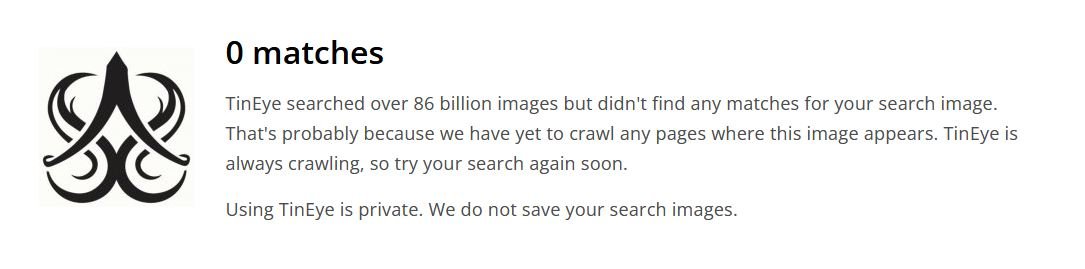
TinEye is another reverse-image search resource that can help investigate whether a similar image or graphic appears elsewhere online.

For logo development, reverse-image searches can support an originality review, particularly when the designer wants to check whether a visual element resembles existing online artwork.
Originality and Copyright VerificationOriginality is an important part of professional logo development. A logo should not simply imitate an existing identity or use another company's protected artwork.Yandex Image SearchReviewing visual similaritiesYandex can be used as one part of a broader visual similarity review. Image search can help identify visually similar marks, concepts, or existing artwork that may appear online.This type of search is useful during the design review process because it provides another opportunity to identify potential visual similarities before final delivery.TinEye Reverse Image SearchChecking for matching or reused imageryTinEye is another reverse-image search resource that can help investigate whether a similar image or graphic appears elsewhere online.For logo development, reverse-image searches can support an originality review, particularly when the designer wants to check whether a visual element resembles existing online artwork.Non-Disclosure and Logo Handover AgreementProfessional logo projects may involve confidential business information. A client may share a company name, product concept, launch plan, marketing strategy, packaging information, or other materials that are not yet publicly available.Clear communication about confidentiality, ownership, and final deliverables can help establish expectations between the designer and buyer.Non-Disclosure AgreementProtecting confidential client informationA non-disclosure agreement, commonly called an NDA, can establish clear expectations regarding confidential information.Depending on the agreement, the designer may be required to keep private materials confidential and avoid sharing unreleased brand information, business documents, product concepts, or other protected project details without permission.An NDA should clearly define what information is confidential, how that information may be used, and what responsibilities apply after the project ends.Logo Handover AgreementDefining final ownership and deliverablesA logo handover agreement can clarify what the buyer receives after the purchase and completion of the project.A professional handover may include the final logo files, editable vector artwork, approved variations, color versions, and other agreed project materials.The agreement should also state when ownership or usage rights transfer to the buyer. Depending on the project terms, this may occur after final payment has been received.Final File DeliveryProviding practical brand assetsA complete logo package may include formats such as AI, EPS, SVG, PDF, and high-resolution PNG files when these are included within the agreed scope.Vector formats are particularly useful because they allow the logo to be resized for both small and large applications without losing qualit

Non-Disclosure and Logo Handover Agreement

Professional logo projects may involve confidential business information. A client may share a company name, product concept, launch plan, marketing strategy, packaging information, or other materials that are not yet publicly available.

Clear communication about confidentiality, ownership, and final deliverables can help establish expectations between the designer and buyer.

Non-Disclosure Agreement

Protecting confidential client information

A non-disclosure agreement, commonly called an NDA, can establish clear expectations regarding confidential information.

Depending on the agreement, the designer may be required to keep private materials confidential and avoid sharing unreleased brand information, business documents, product concepts, or other protected project details without permission.

An NDA should clearly define what information is confidential, how that information may be used, and what responsibilities apply after the project ends.

Logo Handover Agreement

Defining final ownership and deliverables

A logo handover agreement can clarify what the buyer receives after the purchase and completion of the project.

A professional handover may include the final logo files, editable vector artwork, approved variations, color versions, and other agreed project materials.

The agreement should also state when ownership or usage rights transfer to the buyer. Depending on the project terms, this may occur after final payment has been received.

Final File Delivery

Providing practical brand assets

A complete logo package may include formats such as AI, EPS, SVG, PDF, and high-resolution PNG files when these are included within the agreed scope.

Vector formats are particularly useful because they allow the logo to be resized for both small and large applications without losing qualit

Final Thoughts on the Symmetry and Negative Space Logo Design

The Symmetry and Negative Space Logo Design Idea combines balanced mirrored forms with carefully constructed empty space to create a distinctive and elegant visual identity.

Symmetry provides structure, harmony, and consistency, while negative space adds visual depth and allows the symbol to communicate more through fewer graphic elements.

The central structure creates a strong focal point, while the surrounding curved forms provide movement and decorative character. Together, these elements create a logo that feels organized yet creative.

Its adaptable structure makes the concept suitable for fashion, beauty, jewelry, luxury products, architecture, interior design, creative services, lifestyle brands, wellness businesses, and other professional applications.

The logo can also be prepared for a wide range of digital and print uses, including websites, social media, business cards, stationery, packaging, product labels, signage, merchandise, and promotional materials.

For brands looking for a visual identity based on balance, sophistication, creativity, and intelligent use of negative space, this concept provides a flexible starting point for professional branding.

With professional vector artwork, organized final files, clear handover terms, appropriate confidentiality arrangements, and a responsible originality review, the finished identity can be prepared for practical brand use.

When developing any new logo, visual similarity should be reviewed carefully, while formal trademark and legal checks should be handled through the appropriate professional channels. This combination of creative design and responsible brand preparation helps create a more complete identity for a growing business.

Also, check the recent article about the Creative Doorway and Ocean Wave Loop Logo Concept here

Read More
Creative-Butterfly-and-Negative-Space-A-Logo-Concept

Creative Butterfly and Negative Space A Logo Concept

September 30, 2026
by badhan666@@ Graphic design
Butterfly and Negative Space A Logo Concept

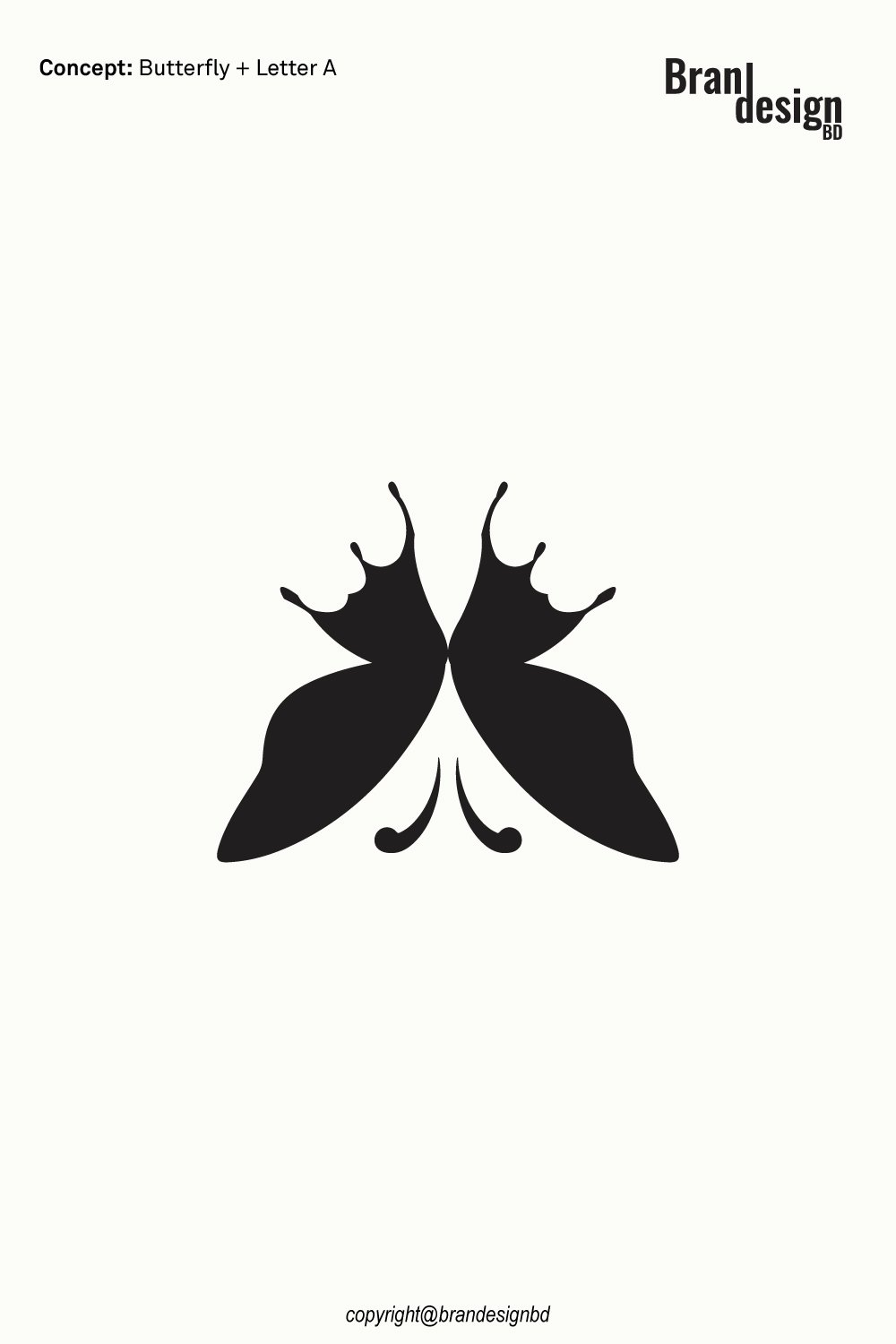
A strong logo can communicate an idea through simple shapes, clever space, and visual balance. The Butterfly and Negative Space A Logo is designed around this principle, combining the elegant form of a butterfly with the hidden shape of the letter A to create a distinctive and memorable visual identity.

The logo uses negative space as an important part of the design. Instead of presenting the letter A as a separate element, the shape is integrated naturally within the butterfly structure. This creates a visual discovery that makes the logo more engaging and meaningful.

The butterfly can represent transformation, freedom, beauty, growth, creativity, and new beginnings. The letter A can represent a brand name, initial, identity, ambition, or a specific business concept. Together, these elements create a modern symbol that can work across a wide range of industries.

This type of logo can be suitable for businesses connected with fashion, beauty, lifestyle, creative services, personal brands, wellness, nature, education, photography, accessories, luxury products, and other businesses looking for an elegant and symbolic identity.

The Concept Behind the Logo

A successful logo does not always need many elements to communicate a strong idea. The Butterfly and Negative Space A Logo uses two primary visual concepts—the butterfly and the letter A—and combines them into one unified symbol.

The use of negative space makes the design more interesting because the viewer can recognize the butterfly first and then discover the hidden letter within the mark.

The Butterfly

A symbol of transformation and freedom

The butterfly is widely associated with transformation and change. Its life cycle represents development, growth, and a transition from one stage to another.

In branding, the butterfly can communicate ideas such as beauty, freedom, creativity, personal growth, elegance, and positive transformation.

The symmetrical wings also provide a natural foundation for logo design. Their balanced structure can create a graceful and recognizable visual mark while allowing other shapes to be incorporated into the design.

For a business, this symbolism can be useful when the brand is connected with creativity, personal development, beauty, lifestyle, fashion, or a journey toward something new.

The Negative Space A

A hidden letter within the symbol

The letter A is incorporated into the butterfly using negative space. Rather than placing a conventional letter beside the butterfly, the design allows the surrounding shapes to create the appearance of an A.

This technique makes the logo more visually engaging. The viewer may initially see a butterfly and then notice the hidden letter after looking more closely.

Negative space is particularly effective in logo design because it allows one visual mark to communicate multiple ideas without making the design complicated.

The letter A can also represent the first letter of a company name, founder’s name, product name, or brand identity.

The Combined Symbol

Turning a butterfly and letter into one identity

The most distinctive part of the concept is the relationship between the butterfly and the negative-space A.

Instead of treating the butterfly and letter as separate graphic elements, the design combines them into one cohesive symbol. This creates a stronger visual connection between the brand’s identity and its symbolic meaning.

The butterfly provides the recognizable visual shape, while the hidden A adds a layer of personalization and discovery.

This approach can make the logo memorable and versatile. The symbol can be adapted for websites, social media, business cards, packaging, stationery, signage, promotional materials, and other brand applications.

Butterfly and Negative Space A Logo Concept
Asking Price $500

For logo purchase or negotiation, please contact support@brandesignbd.com.

Logo Sale, Handover & NDA Information

All project handover agreements, ownership documentation, Non-Disclosure Agreement (NDA), and related communication will be handled through the email address provided above.
Once the logo is purchased, we will update the listing status to “Sold” and, upon request, add the buyer’s website or preferred address to the listing as confirmation of the sale. All necessary final files, ownership documentation, and agreed-upon project materials will be provided to the buyer after the purchase is completed.

Potential Applications for the Logo

A flexible logo should be capable of representing different types of businesses while maintaining its visual identity. The Butterfly and Negative Space A Logo can be adapted for several industries and business categories.

Fashion and Beauty Brands

Creating an elegant and stylish identity

The butterfly naturally connects with beauty, elegance, and visual transformation. This makes the concept suitable for fashion labels, beauty businesses, cosmetics brands, salons, makeup artists, skincare companies, and accessory businesses.

The hidden A can also be customized to represent a brand or founder name, making the logo more personal and recognizable.

Lifestyle and Wellness

Communicating growth and positive transformation

The butterfly can represent personal change, development, freedom, and a new stage of life.

Because of these associations, the concept can work for selected wellness businesses, lifestyle brands, coaching services, personal development companies, and creative businesses focused on transformation and growth.

Creative and Design Businesses

Combining creativity with visual discovery

The use of negative space gives the logo a creative character. This can make the concept appropriate for graphic designers, photographers, artists, creative agencies, content creators, studios, and other businesses that want a visually intelligent identity.

The hidden letter can also create a stronger connection between the logo and the business name.

Personal Brands

Building a recognizable monogram identity

A letter-based logo can work particularly well for personal branding. The A can represent the first letter of a person’s name while the butterfly provides a distinctive visual personality.

This approach can be useful for entrepreneurs, consultants, artists, designers, photographers, influencers, beauty professionals, and other individuals building a personal brand.

Nature and Lifestyle Products

Connecting the brand with natural beauty

The butterfly is strongly associated with nature and the natural environment. Its organic shape can therefore work well with selected environmental, botanical, gardening, outdoor, handmade, and lifestyle product brands.

The clean structure of the mark can also help maintain a modern appearance rather than creating an overly detailed nature illustration.

Originality and Copyright Verification

Originality is an important part of professional logo development. A logo should not simply imitate an existing identity or use another company’s protected artwork.

Yandex Image Search

Reviewing visual similarities

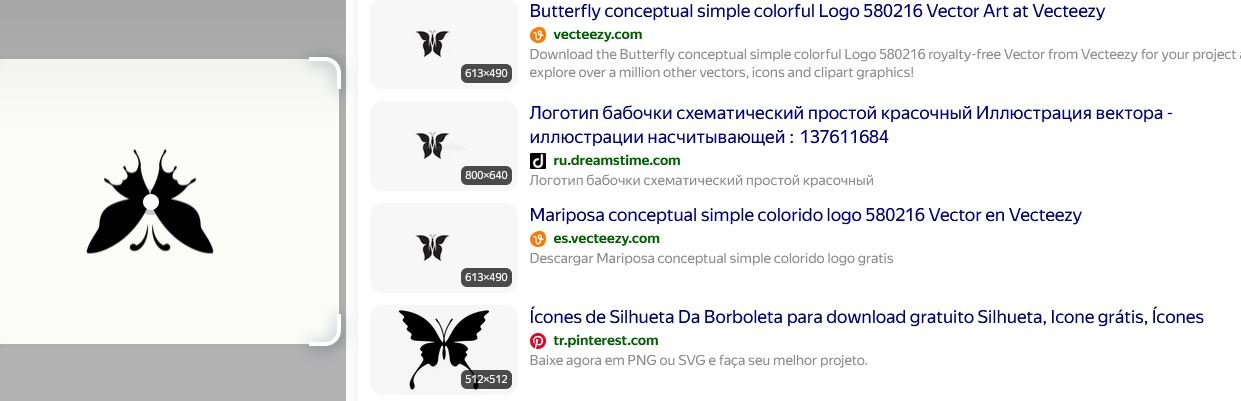
Yandex can be used as one part of a broader visual similarity review. Image search can help identify visually similar marks, concepts, or existing artwork that may appear online.

This type of search is useful during the design review process because it provides another opportunity to identify potential visual similarities before final delivery.

TinEye Reverse Image Search

Checking for matching or reused imagery

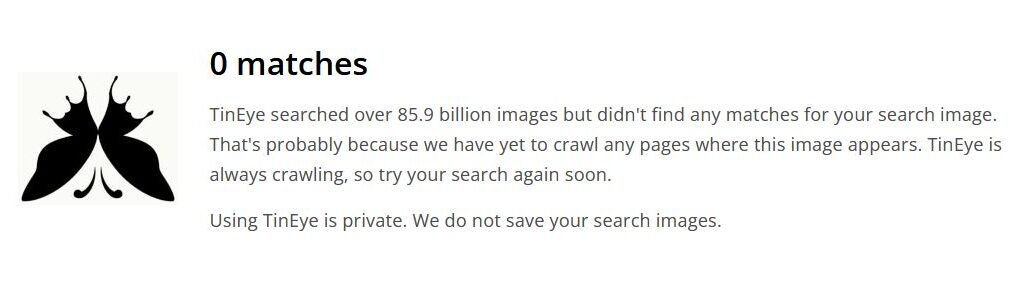
TinEye is another reverse-image search resource that can help investigate whether a similar image or graphic appears elsewhere online.

For logo development, reverse-image searches can support an originality review, particularly when the designer wants to check whether a visual element resembles existing online artwork.

Non-Disclosure and Logo Handover Agreement

Professional logo projects may involve confidential business information. A client may share a company name, product concept, launch plan, marketing strategy, packaging information, or other materials that are not yet publicly available.

Clear communication about confidentiality, ownership, and final deliverables can help establish expectations between the designer and buyer.

Non-Disclosure Agreement

Protecting confidential client information

A non-disclosure agreement, commonly called an NDA, can establish clear expectations regarding confidential information.

Depending on the agreement, the designer may be required to keep private materials confidential and avoid sharing unreleased brand information, business documents, product concepts, or other protected project details without permission.

An NDA should clearly define what information is confidential, how that information may be used, and what responsibilities apply after the project ends.

Logo Handover Agreement

Defining final ownership and deliverables

A logo handover agreement can clarify what the buyer receives after the purchase and completion of the project.

A professional handover may include the final logo files, editable vector artwork, approved variations, color versions, and other agreed project materials.

The agreement should also state when ownership or usage rights transfer to the buyer. Depending on the project terms, this may occur after final payment has been received.

Final File Delivery

Providing practical brand assets

A complete logo package may include formats such as AI, EPS, SVG, PDF, and high-resolution PNG files when these are included within the agreed scope.

Vector formats are particularly useful because they allow the logo to be resized for both small and large applications without losing quality.

Final Thoughts on the Butterfly and Negative Space A Logo

The Butterfly and Negative Space A Logo combines an elegant butterfly with a cleverly integrated letter A to create a distinctive visual identity.

The butterfly communicates ideas of transformation, freedom, beauty, creativity, and growth, while the hidden A provides a personalized monogram element that can represent a brand name or identity.

The use of negative space makes the concept particularly engaging because the viewer can discover more than one visual idea within a single symbol.

Its minimalist structure makes it suitable for digital and print applications, including websites, social media, business cards, packaging, signage, stationery, merchandise, and promotional materials.

For fashion, beauty, lifestyle, wellness, creative, personal-brand, nature, and other businesses, the concept can provide a flexible starting point for a memorable brand identity.

With professional vector artwork, organized final files, clear handover terms, appropriate confidentiality arrangements, and a responsible originality review, the logo can be prepared for practical brand use.

When developing any new logo, visual similarity should be reviewed carefully, while formal trademark and legal checks should be handled through the appropriate professional channels. This combination of creative design and responsible brand preparation helps create a more complete and professional identity for a growing business.

Also, check the recent article about the Creative Doorway and Ocean Wave Loop Logo Concept here.


Read More
Negative Space Logo

The Art of Negative Space Logo Design: Making a Statement with Absence

February 8, 2024
by badhan666@@ Graphic design
Negative Space Logo

In the vast world of design, simplicity often speaks volumes. One of the most fascinating techniques in logo design is the use of a negative space logo—a concept where the absence of elements creates as much impact as their presence. Negative space logo design is a subtle yet powerful art form that captivates audiences by cleverly integrating hidden meanings and visual storytelling. Let’s delve into this fascinating realm and explore how designers harness the power of negative space to craft memorable brand identities.

Understanding Negative Space in Logo Design

Negative space, also known as white space, is the area surrounding the main subject in an image. In logo design, it refers to the space around and between the primary elements of the logo. While positive space contains the main focus of the design, negative space plays a supporting role, often contributing to the overall composition and conveying secondary messages.

The Power of Simplicity

Negative space logo design relies on the principle of simplicity to communicate complex ideas effectively. By stripping away unnecessary elements, designers create clean and minimalist logos that leave a lasting impression. These logos are not only visually appealing but also versatile, making them suitable for various applications across different media platforms.

Creating Visual Illusions

One of the most intriguing aspects of negative space logo design is its ability to create visual illusions. By cleverly manipulating the arrangement of shapes and spaces, designers can produce multiple layers of meaning within a single logo. These hidden elements invite viewers to engage with the design on a deeper level, discovering subtle nuances over time.

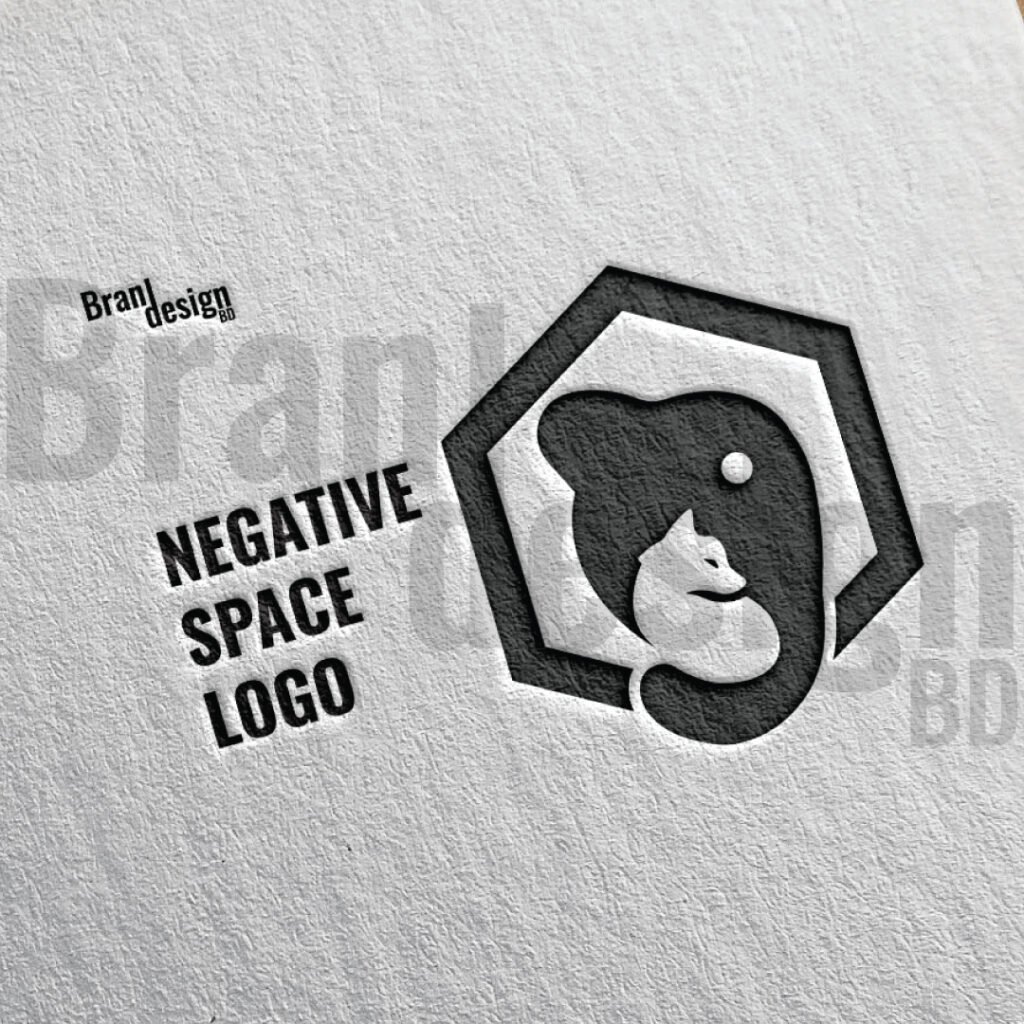
A negative space logo featuring a bear's silhouette with a fox formed within its body. The logo is inside a hexagon.
A clever negative space logo design using a bear’s silhouette to reveal a fox.
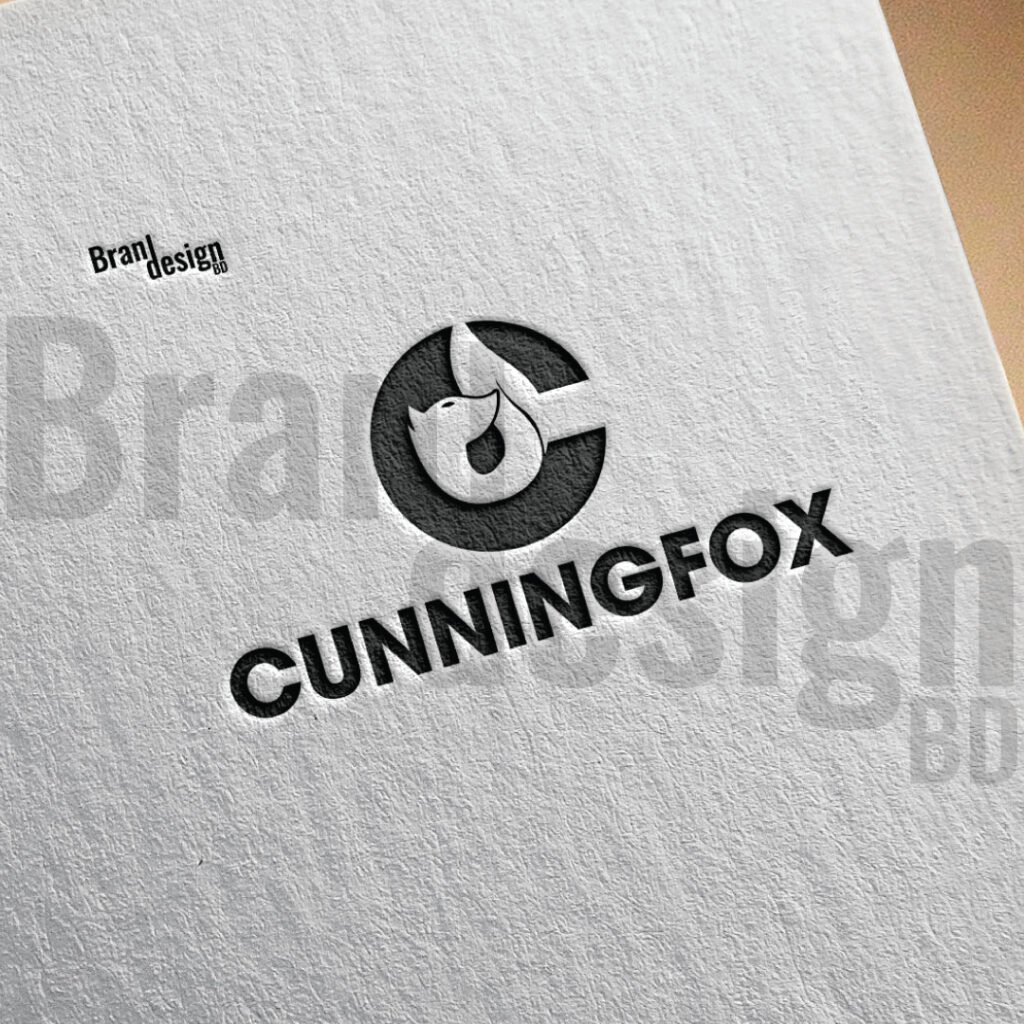
A negative space logo for CUNNINGFOX, featuring a fox's head within the letter C.
A clever negative space logo where a fox’s head is revealed within the letter C.

Some Established Examples of Negative Space Logo Design:

Several iconic logos demonstrate the power of negative space in branding:

1. FedEx: Perhaps one of the most famous examples, the FedEx logo incorporates an arrow formed by the negative space between the “E” and the “x,” symbolizing speed and efficiency in delivery.

2. Amazon: The Amazon logo features a smile that stretches from the letter “A” to the letter “Z,” suggesting that the company offers everything from A to Z.

3. NBC: The peacock in the NBC logo is created using colorful negative space, symbolizing the network’s diverse programming.

Tips for Effective Negative Space Logo Design:

For designers looking to incorporate negative space into their logo creations, here are some tips to keep in mind:

1. Start with a Strong Concept: A solid concept forms the foundation of any successful logo design. Spend time brainstorming ideas and sketching out rough drafts before diving into the finer details.

2. Keep it Balanced: Balance is crucial in negative space logo design to ensure that the composition feels harmonious and visually appealing. Pay attention to the distribution of positive and negative space to achieve equilibrium.

3. Test for Legibility: While negative space can add depth and complexity to a logo, it’s essential to ensure that the design remains legible and recognizable, even at smaller sizes.

4. Experiment with Shapes: Don’t be afraid to experiment with different shapes and forms to find the perfect balance of positive and negative space. Sometimes, the most unexpected combinations yield the most compelling results.

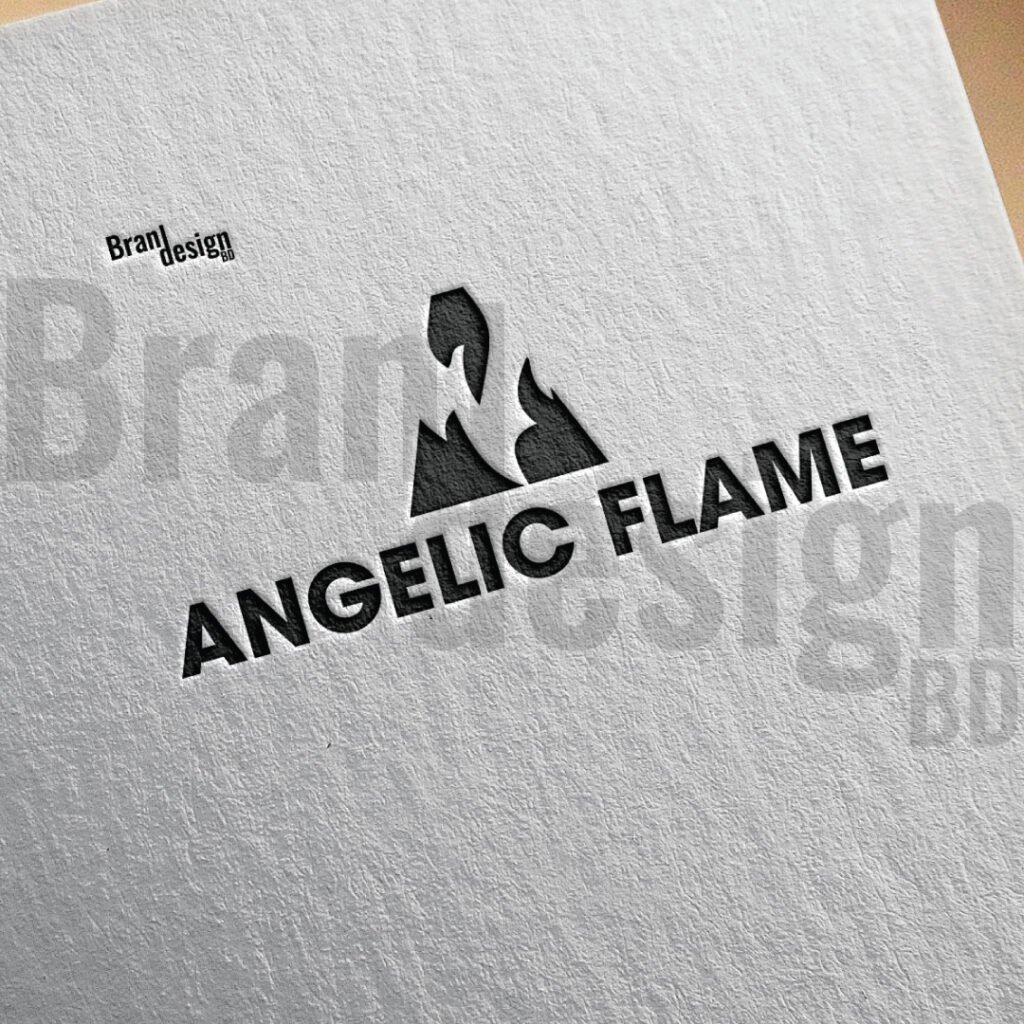
A logo for ANGELIC FLAME, featuring a flame with an angel's wing in the negative space.
A unique logo design for ANGELIC FLAME, integrating an angel’s wing within a flame icon.
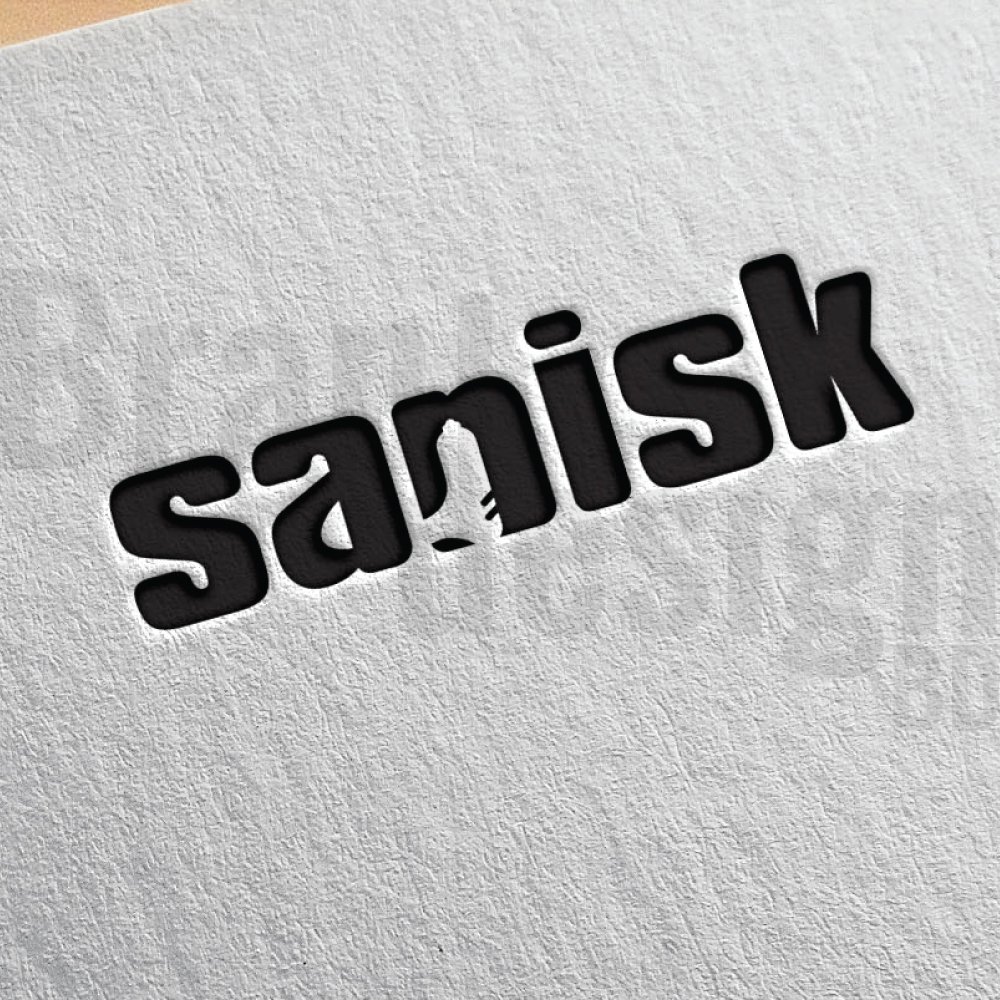
A negative space logo for the word Sanisk, featuring a USB flash drive icon subtly formed in the letters. The text is in a dark, rounded font on textured paper.
A clever negative space logo for Sanisk, where a USB drive is integrated into the wordmark.

Negative space logo design offers several advantages:

Memorability: Logos designed using negative space often stand out due to their clever use of space and hidden imagery. This memorability helps brands leave a lasting impression on their audience, making it easier for them to recall the logo and associated brand.

Simplicity: Negative space logos are inherently simple, with clean lines and minimalistic designs. This simplicity not only makes the logo visually appealing but also ensures that it remains versatile and easily recognizable across various platforms and mediums.

Distinctiveness: Negative space logos have the potential to be more distinctive and unique compared to logos with complex designs. By utilizing negative space creatively, brands can differentiate themselves from competitors and carve out a distinct identity in the market.

Versatility: Negative space logos are highly versatile and adaptable to different contexts and applications. Whether displayed on a billboard, website, or business card, these logos maintain their clarity and impact, making them suitable for diverse branding needs.

Engagement: The hidden elements and visual illusions created by negative space logos often spark curiosity and engagement among viewers. This encourages them to take a closer look at the logo, decipher its hidden meanings, and connect with the brand on a deeper level.

Timelessness: Negative space logos have a timeless quality that allows them to remain relevant and effective for years to come. By avoiding trendy design elements and focusing on fundamental principles of design, these logos have the potential to withstand the test of time and maintain their relevance in evolving markets.

Conclusion:

Negative space logos are a smart way to make your brand stand out. They use the empty space around and inside shapes to form another image or meaning. This clever style is simple, yet it can say a lot about your brand. People enjoy finding the hidden parts, and that makes your logo more memorable.

A good negative space logo is easy to read and easy to recognize. It works in color and in black-and-white. It can be printed on small items like business cards or used on large signs without losing clarity. This makes it a flexible choice for many types of brands.

Designing a negative space logo takes skill and creativity. Every line, curve, and space must have a purpose. When done right, it can tell your brand’s story in a unique way.

Whether your brand is modern, playful, or professional, a negative space logo can help you make a lasting impression. It invites people to look twice and remember what they see. That is the power of using space as part of the design.

Choosing a negative space logo is not just about style—it is about creating a smart, lasting image for your brand.

If you want to make any Negative Space Logo Design then contact us now.

Also, check the recent article about the combination mark logo here and the lettermark logo here.

20% OFF
Hostinger Business Hosting

Hostinger Business Hosting

Get high-speed, secure hosting for your website. Limited-time 20% discount available.

Claim 20% Discount Visit Hostinger
Why is negative space important in logo design?

Negative space plays a crucial role in logo design as it can enhance visual impact, create depth, convey hidden meanings, and improve overall composition. It adds an element of sophistication and intrigue to the design, making it more memorable and engaging for the audience.

How do you create a negative space logo?

To create a negative space logo, designers strategically manipulate the arrangement of shapes, letters, or symbols to form hidden images or convey secondary messages within the empty spaces. This often involves careful planning, sketching, and experimentation to achieve the desired effect.

What are the advantages of negative space logo design?

Negative space logo design offers several advantages, including memorability, simplicity, distinctiveness, versatility, engagement, cost-effectiveness, and timelessness. These qualities make negative space logos effective in conveying brand identity and leaving a lasting impression on the audience.

How can I ensure that my negative space logo is legible and recognizable?

To ensure that your negative space logo remains legible and recognizable, test it across various sizes and backgrounds to assess its visibility and clarity. Keep the design simple and avoid excessive complexity that may obscure the main elements of the logo. Additionally, gather feedback from stakeholders and potential customers to identify any potential issues and make necessary adjustments.

Can negative space logos be trademarked?

Yes, negative space logos can be trademarked like any other logo design. To protect your logo, you’ll need to register it as a trademark with the relevant authorities in your country or region. Ensure that your logo meets the criteria for trademark registration, including distinctiveness and non-infringement of existing trademarks.


  • Custom Creative Letter P and Aviation Logo Concept
  • Modern Spartan Helmet T Logo Concept
  • Custom Elephant Head & Fox Negative Space Logo Concept
  • Custom Creative G Letter and Negative Space Puzzle Logo Concept
  • Creative Flame and Skull Antler Logo Concept
Read More

Search

Untitled-1-01Untitled-1-01

brandesignbd

Graphic Design Service Provider

Visit Link

  • Privacy Policy
  • Terms and condition

Company

  • Home
  • Our Services
  • portfolio
  • Contact Us

Contact

  • support@brandesignbd.com
  • brandesignbd27@gmail.com

Address

Narayanganj,

Dhaka, Bangladesh

1400

Linkedin-in Pinterest Facebook-f Instagram Behance
Copyright ©brandesignbd. All Rights Reserved.
Shopping Basket