

Discover the Modern Four-Petal Star & Dynamic Negative Space Logo Design, featuring a symmetrical star-inspired symbol, creative geometric shapes, and balanced negative space for a distinctive modern brand identity.
Introduction
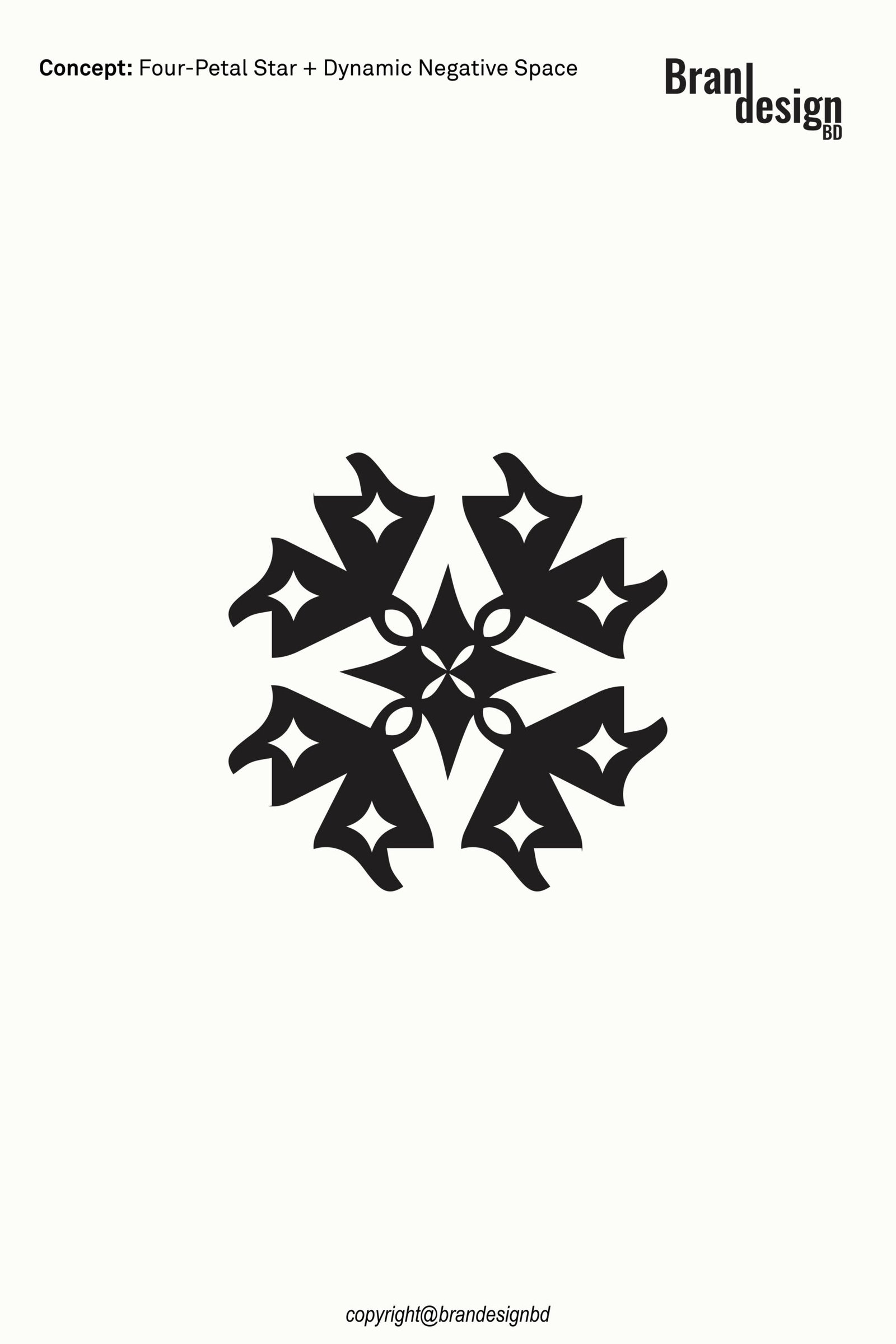
A memorable logo often begins with a simple idea transformed into a distinctive visual symbol. The Modern Four-Petal Star & Dynamic Negative Space Logo Design explores the relationship between geometric shapes, symmetry, and creative use of open space. Its central four-petal star creates an elegant focal point, while the surrounding abstract forms add movement, balance, and visual depth.
The design combines four pointed petal-like shapes to create a star-inspired symbol. Carefully arranged negative spaces separate the elements and help define the overall composition. The surrounding geometric forms create a balanced radial structure, giving the logo a sense of direction and movement without making it visually complicated.
With its bold black silhouette and minimalist appearance, this concept offers a flexible foundation for businesses seeking a modern and recognizable brand identity. It may suit creative studios, technology companies, professional services, lifestyle brands, fashion businesses, and organizations that appreciate geometric design.
Overview of the Four-Petal Star Logo Concept
Four-Petal Star Symbol
Four Geometric Petals + Central Star Formation
The central element is built around four pointed petal-like shapes arranged in a symmetrical formation. Together, they create a star-inspired symbol that feels both geometric and organic.
Unlike a traditional five-pointed star, this design uses a four-part structure to establish a more distinctive visual identity. The pointed shapes create direction, while their curved edges introduce a softer appearance.
This combination allows the symbol to communicate precision and creativity through a simple arrangement of shapes.
Dynamic Negative Space
Open Shapes + Hidden Visual Relationships
Negative space refers to the areas between and around the visible elements of a design. It plays an important role in this logo by separating the individual shapes and helping the central star remain clear.
The open spaces create visual connections between the central symbol and the surrounding forms. Rather than filling every area with solid shapes, the design uses contrast to establish a more interesting composition.
This approach gives the logo a clean appearance while encouraging viewers to explore its structure.
Symmetrical Radial Composition
Balance + Direction + Visual Harmony
The surrounding elements are arranged around a central point, creating a radial composition. This arrangement helps distribute visual weight evenly and gives the logo a balanced appearance.
The symmetrical structure also creates a sense of order and consistency. Each section contributes to the complete symbol, making the design feel unified rather than like a collection of separate shapes.
The Meaning Behind the Logo Elements
The Four-Petal Star
Unity, Direction, and Creativity
A star is commonly associated with ambition, achievement, guidance, and inspiration. In this concept, the four-petal structure gives the familiar star idea a more organic and contemporary appearance.
The four directions can also suggest balance, connection, and completeness. Depending on the brand’s story, the symbol may represent different departments, values, services, or areas of expertise working together.
Its abstract appearance allows the business to establish a personal meaning around the design.
Dynamic Negative Space
Simplicity + Discovery + Visual Intelligence
Negative space adds another dimension to the logo. It creates separation between the bold forms while helping the central four-petal symbol stand out.
This design technique can make a logo more memorable because viewers recognize the relationship between the visible shapes and the open areas.
The result is a symbol that communicates its identity through structure rather than unnecessary decoration.
Symmetry and Balance
Stability + Consistency + Professionalism
Symmetry can create a sense of visual order and stability. The balanced arrangement of the logo elements makes the composition feel structured and intentional.
For a business, this visual language may support values such as reliability, precision, teamwork, and consistency.
The radial structure also creates a recognizable silhouette that can be adapted for different branding applications.
Geometric and Organic Shapes
Precision Meets Natural Movement
The design combines pointed geometric forms with curved, petal-like shapes. This contrast creates a balance between structure and softness.
The geometric details provide definition, while the organic curves introduce movement and personality. Together, they create a contemporary visual style that can suit a wide range of brands.
Design Style and Visual Appeal
Bold Black-and-White Treatment
Strong Contrast + Timeless Simplicity
The solid black silhouette against a light background creates a clear and powerful visual impression. This monochrome treatment keeps attention on the shape, proportion, and negative space.
It also provides a practical starting point for a complete brand identity. Additional colors can be introduced later without changing the essential structure of the symbol.
Minimalist Geometric Construction
Clean Forms + Distinctive Structure
The logo uses simplified shapes instead of complex illustrations. This helps the central star remain the main visual focus while the surrounding elements support its overall appearance.
A minimalist approach can also make the design easier to reproduce across different materials and platforms.
Symmetrical Visual Rhythm
Repetition + Consistent Proportions
The repeated shapes create a visual rhythm around the center. Their arrangement helps guide the viewer’s attention toward the four-petal star.
Consistent proportions and spacing are important to maintaining this effect. Small differences in alignment can change the overall balance, so the final artwork should be carefully refined.
Memorable Silhouette
Recognition Across Different Sizes
A distinctive silhouette helps a logo remain recognizable even when viewed quickly or reproduced at a smaller size.
The compact radial structure offers opportunities for use as a standalone brand symbol, social media icon, application mark, or supporting graphic element.
However, the smaller negative-space details should be tested at realistic sizes before production.
Suitable Industries and Brand Applications
The Four-Petal Star and Dynamic Negative Space concept can support different industries depending on the company’s identity, audience, and positioning.
Technology and Digital Companies
Innovation + Precision + Connected Systems
Technology startups, software companies, digital platforms, and IT service providers often need clean visual identities that work across websites and digital products.
The geometric structure can support ideas of precision and innovation, while the radial composition may suggest connected systems or multiple services working together.
The symbol could be used for application icons, website headers, dashboards, presentations, and digital advertisements.
Creative Agencies and Design Studios
Original Thinking + Visual Expression
Creative studios, branding agencies, marketing companies, and independent designers may appreciate the logo’s abstract construction.
The four-petal star creates an opportunity to build a distinctive visual identity around creativity and design. Its symmetrical appearance can also provide a useful foundation for supporting patterns and brand graphics.
Fashion and Lifestyle Brands
Style + Balance + Distinctive Identity
Fashion labels, accessory businesses, lifestyle brands, and boutique retailers often benefit from compact symbols that can work across multiple product categories.
The star-inspired design can serve as a recognizable signature on clothing labels, tags, packaging, shopping bags, and promotional materials.
Its monochrome appearance may also suit premium and contemporary branding directions.
Architecture and Interior Design
Structure + Symmetry + Creative Thinking
Architecture studios, interior design firms, and spatial planning businesses often use geometric visual identities to communicate precision and creativity.
The radial structure and balanced shapes can complement a professional design language. The logo may work on project presentations, business stationery, signage, and portfolio websites.
Consulting and Professional Services
Reliability + Organization + Progress
Consulting firms, business advisors, and professional service providers may use the concept as a modern brand symbol.
Its symmetrical construction can support a sense of organization and consistency, while the central star provides a distinctive focal point.
With suitable typography and a professional color palette, the logo can become part of a clear corporate identity.
Beauty and Wellness Brands
Harmony + Balance + Organic Expression
Selected skincare companies, beauty studios, wellness services, and lifestyle businesses may find the combination of geometric and petal-like forms appealing.
The organic appearance can support themes of balance and harmony, while the star-inspired structure adds a contemporary character.
A softer color palette and refined typography could help adapt the symbol to this industry.
Education and Creative Learning
Inspiration + Growth + Collaboration
Educational institutions, training programs, and creative learning platforms may use the star as a symbol of inspiration and achievement.
The four-part structure could also represent different learning areas or shared organizational values.
The logo may be applied to websites, certificates, course materials, student resources, and promotional products.
For logo purchase or negotiation, please contact agency@brandesignbd.com
Logo Sale, Handover & NDA Information
All project handover agreements, ownership documentation, Non-Disclosure Agreement (NDA), and related communication will be handled through the email address provided above.
Once the logo is purchased, we will update the listing status to “Sold” and, upon request, add the buyer’s website or preferred address to the listing as confirmation of the sale. All necessary final files, ownership documentation, and agreed-upon project materials will be provided to the buyer after the purchase is completed.
Originality and Copyright Verification
Originality is an important part of professional logo development. A logo should not simply imitate an existing identity or use another company’s protected artwork.
Yandex Image Search
Reviewing visual similarities
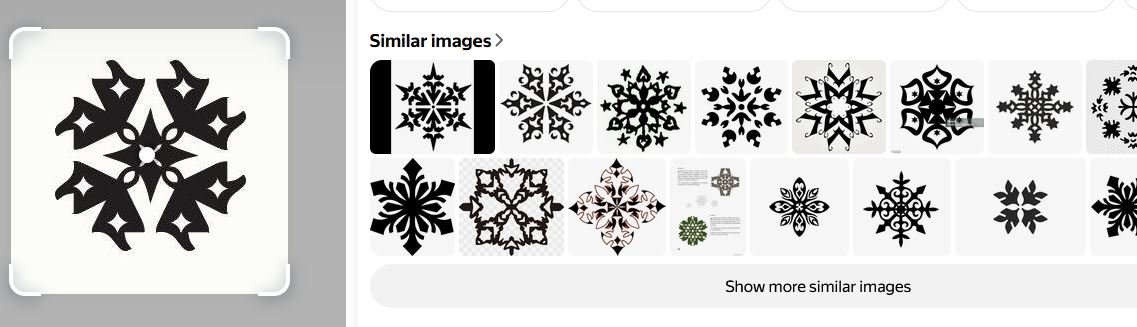
Yandex can be used as one part of a broader visual similarity review. Image search can help identify visually similar marks, concepts, or existing artwork that may appear online.
This type of search is useful during the design review process because it provides another opportunity to identify potential visual similarities before final delivery.
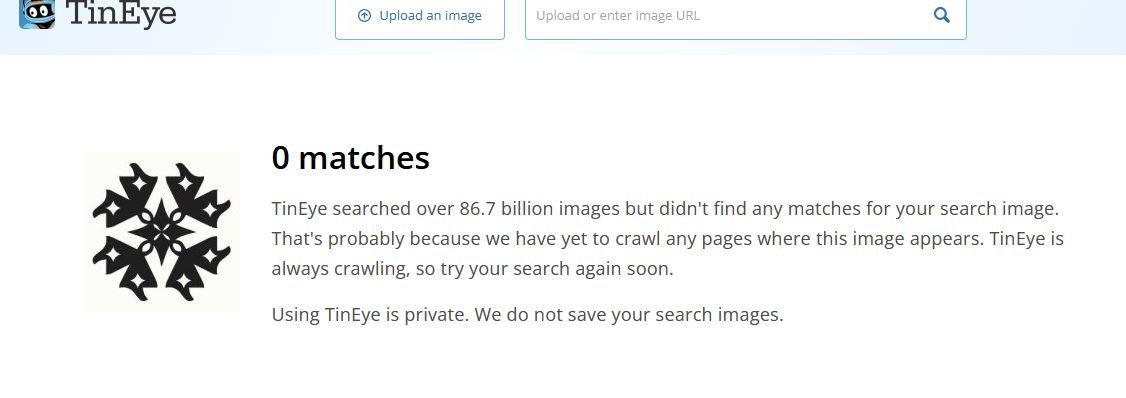
TinEye Reverse Image Search
Checking for matching or reused imagery
TinEye is another reverse-image search resource that can help investigate whether a similar image or graphic appears elsewhere online.
For logo development, reverse-image searches can support an originality review, particularly when the designer wants to check whether a visual element resembles existing online artwork.
Non-Disclosure and Logo Handover Agreement
Professional logo projects may involve confidential business information. A client may share a company name, product concept, launch plan, marketing strategy, packaging information, or other materials that are not yet publicly available.
Clear communication about confidentiality, ownership, and final deliverables can help establish expectations between the designer and buyer.
Non-Disclosure Agreement
Protecting confidential client information
A non-disclosure agreement, commonly called an NDA, can establish clear expectations regarding confidential information.
Depending on the agreement, the designer may be required to keep private materials confidential and avoid sharing unreleased brand information, business documents, product concepts, or other protected project details without permission.
An NDA should clearly define what information is confidential, how that information may be used, and what responsibilities apply after the project ends.
Logo Handover Agreement
Defining final ownership and deliverables
A logo handover agreement can clarify what the buyer receives after the purchase and completion of the project.
A professional handover may include the final logo files, editable vector artwork, approved variations, color versions, and other agreed project materials.
The agreement should also state when ownership or usage rights transfer to the buyer. Depending on the project terms, this may occur after final payment has been received.
Final File Delivery
Providing practical brand assets
A complete logo package may include formats such as AI, EPS, SVG, PDF, and high-resolution PNG files when these are included within the agreed scope.
Vector formats are particularly useful because they allow the logo to be resized for both small and large application.
Also, check the recent article about the Creative Doorway and Ocean Wave Loop Logo Concept here