

Discover the top 30 AI tools in 2026 that will skyrocket your productivity. From AI image generation to video creation, voiceover, and writing — this guide covers every tool you need to stay ahead.
If you have been looking for a complete, no-fluff guide to the best AI tools in 2026, you just found it. The AI landscape has exploded. Every week, new tools hit the market, each promising to save you hours of work. But not every tool is worth your time or money.
This guide cuts through the noise. We have tested, researched, and ranked the top 30 AI tools in 2026 across image generation, video creation, voiceover, productivity, and writing. Whether you are a freelancer in California, a startup founder in Texas, or a content creator in New York, there is something on this list built exactly for you.
Let us get into it.
AI Image Generation Tools in 2026
Visuals are the currency of the internet. In 2026, AI image generation has reached a point where even a beginner can produce studio-quality artwork in seconds. The tools in this section are leading that charge, and they are getting better every month.
Midjourney AI
Midjourney remains the crown jewel of AI image generation. Its outputs are rich, highly artistic, and consistently impressive. Version 6.1 and beyond brought even sharper detail, better face generation, and improved prompt understanding. Designers, marketers, and brand teams across the United States rely on Midjourney daily for creative campaigns and concept visualization.
What sets Midjourney apart is its aesthetic quality. No other tool produces images that feel so deliberate and visually refined. You work through Discord or its web interface, type your prompt, and receive four image variations within seconds. You can then upscale, vary, or remix any of them.
Midjourney is best for creatives who want art-grade output without hiring a design team. It is a staple AI tool in 2026 for any serious visual creator.
FLUX AI Image Generation
FLUX, developed by Black Forest Labs, has become one of the fastest-rising AI image models in 2026. It is available through various platforms, including Replicate and ComfyUI integrations, and is praised for photorealistic output and exceptional prompt following. FLUX.1 Pro and FLUX.1 Schnell models offer a balance between quality and speed that serious creators appreciate.
What makes FLUX special is its open architecture. Developers and power users can run it locally or integrate it into their own apps. For businesses that want to build AI image generation into their own workflows, FLUX is one of the smartest choices available right now.
Adobe Firefly
Adobe Firefly is the safest choice for commercial creators. Built and trained on Adobe Stock content and licensed public domain images, Firefly is fully commercially safe. That matters enormously for US-based businesses that cannot afford IP disputes over AI-generated content.
Firefly is baked directly into Photoshop, Illustrator, and Adobe Express, making it the most seamlessly integrated AI image tool for professional designers. Features like Generative Fill, Generative Expand, and text-to-image are now standard parts of any Adobe workflow. If your team already lives inside Creative Cloud, Firefly is not optional — it is essential.
Canva AI
Canva has transformed from a simple design tool into a full AI-powered creative suite. Its Magic Studio brings together text-to-image generation, background removal, AI-powered design suggestions, and one-click brand kit application. For small business owners and social media managers across America, Canva AI is the most accessible and affordable path to professional visuals.
In 2026, Canva AI also introduced smarter layout suggestions and AI-driven color palette generation. You do not need design experience to produce results that look like a professional agency made them. That democratization of design is what makes Canva one of the most impactful AI tools in 2026.
Ideogram AI
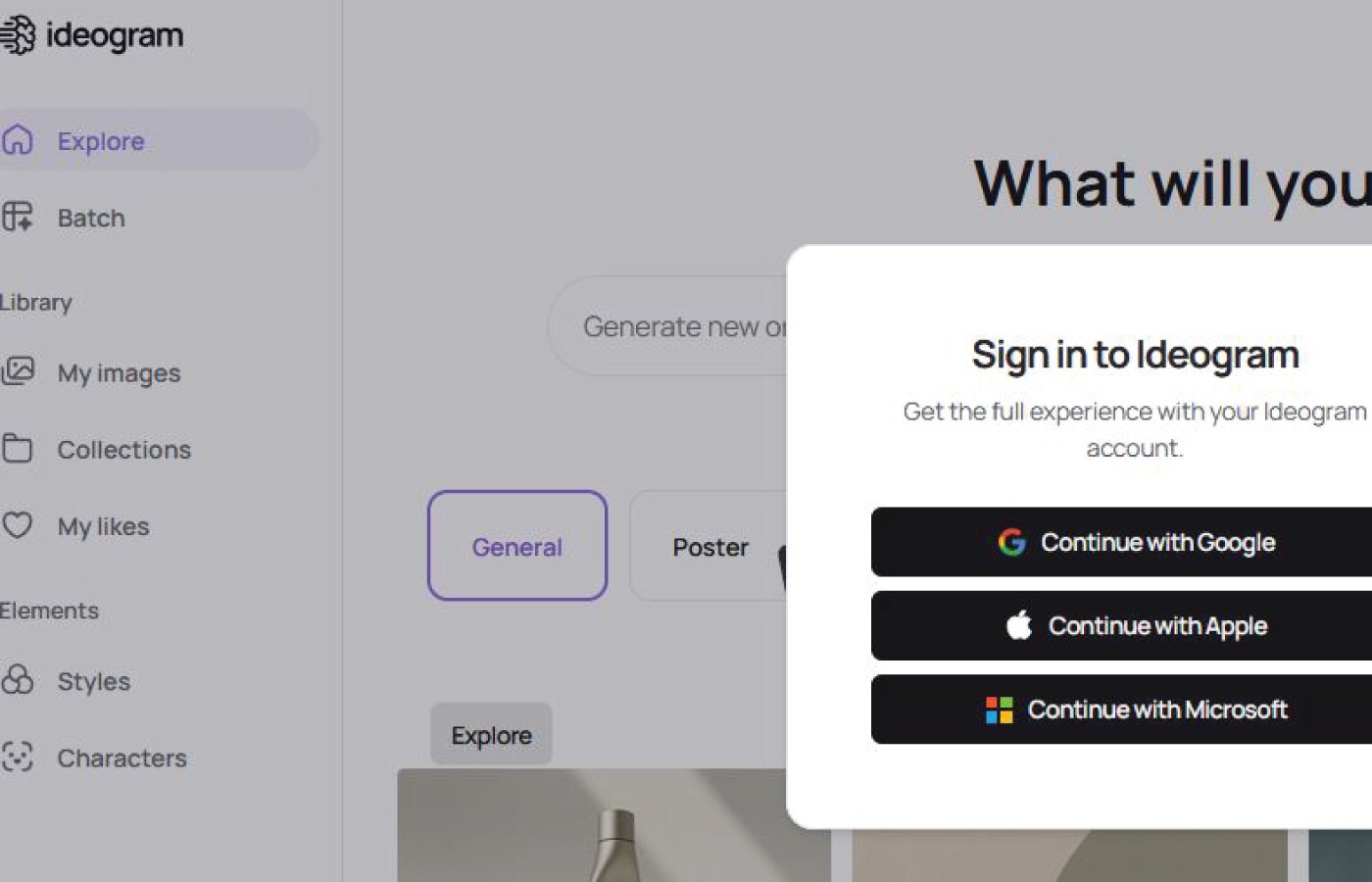
Ideogram AI has solved one of the biggest historical weaknesses of AI image generation: text rendering. For years, AI tools struggled to produce images with readable, well-designed text. Ideogram changed that entirely. You can now generate product mockups, posters, logos, and social graphics with crisp, accurate text directly inside the image.
For marketers, e-commerce sellers, and content creators who need quick branded visuals, Ideogram is a game changer. Its free tier is generous, and the paid plans are highly affordable, making it a strong choice for budget-conscious creators.

Hostinger Business Hosting
Get high-speed, secure hosting for your website. Limited-time 20% discount available.
Claim 20% Discount Visit Hostingerapp.recraft
Recraft is a design-focused AI image platform that emphasizes consistency and brand control. Unlike most AI image tools, Recraft lets you define a visual style and apply it consistently across multiple images — a critical feature for brand teams. It supports vector generation, icon creation, and a range of styles from realistic to flat illustration.
American marketing and product design teams have adopted Recraft specifically because of its brand consistency features. When you need 50 images that all feel like they belong to the same brand, Recraft is one of the few tools that delivers that reliably.
Seedream 4.0
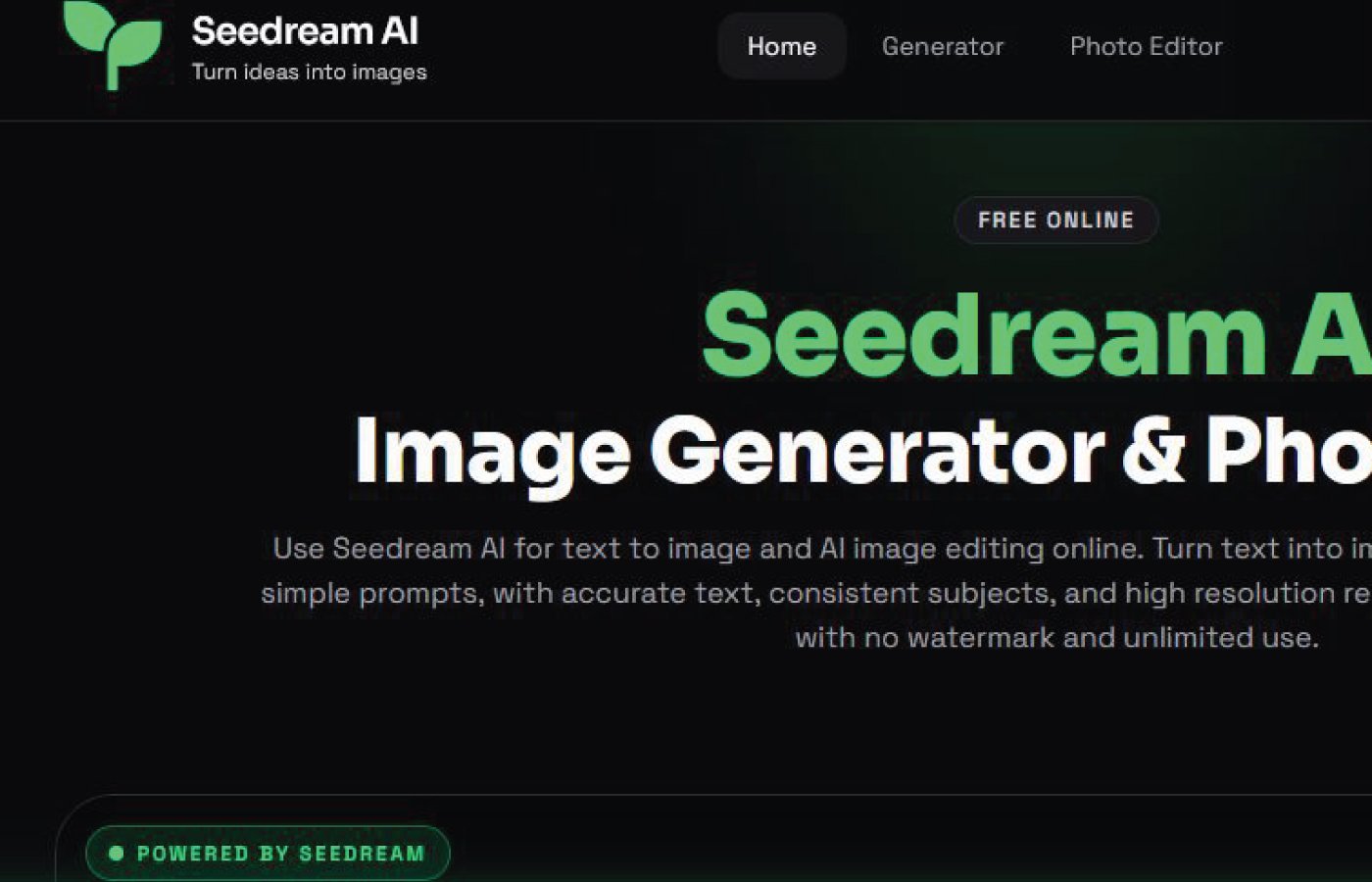
Seedream, developed by ByteDance, is a newer entrant that has quickly made waves in the AI image space. Seedream 4.0 offers high-resolution image generation with a strong understanding of complex scenes and human figures. It is particularly strong at generating realistic lifestyle imagery and product photography, which makes it valuable for e-commerce brands.
The tool is available through the Dreamina platform and has rapidly grown in popularity among content creators looking for a fast, capable, and affordable alternative to more established tools.
AI Video Creation Tools in 2026
Video is the dominant content format on the internet, and AI has made it dramatically more accessible. The tools in this section represent the cutting edge of AI video generation and production in 2026. From text-to-video to AI avatars and automated video editing, these platforms are reshaping how Americans create content.
Sora AI Video Creation
OpenAI’s Sora is one of the most talked-about AI tools in 2026. It generates cinematic, high-quality video clips from text prompts. Sora can produce realistic motion, complex scenes, and coherent short films with a level of quality that was unimaginable just two years ago.
Sora is still primarily accessed through ChatGPT Plus and Pro plans. It is best for creative directors, filmmakers, and video teams who want to rapidly prototype scenes or generate B-roll footage. While it does not yet replace a full video production crew, it dramatically reduces the time and cost of pre-production and concept development.
Google Veo 3 Expert AI Video Generator
Google’s Veo 3 is one of the most powerful AI video generation models available in 2026. It produces high-resolution, highly realistic video clips with impressive motion quality and scene coherence. Veo 3 is available through Google DeepMind’s VideoFX and is increasingly integrated into Google’s broader creative tools.
What makes Veo 3 stand out is its handling of physics, lighting, and natural movement. Generated videos feel grounded in reality in a way that early AI video tools never achieved. For US-based content teams working on advertising or social content, Veo 3 is a strong production asset.
Nano Banana and VEO 3
Nano Banana is a creative AI video platform that has built its experience around Google’s Veo 3 model. It offers a user-friendly interface for generating short-form video clips, making advanced video AI accessible to creators who do not have a technical background. It is especially popular among TikTok and YouTube Shorts creators who need fast, eye-catching content without a large production budget.
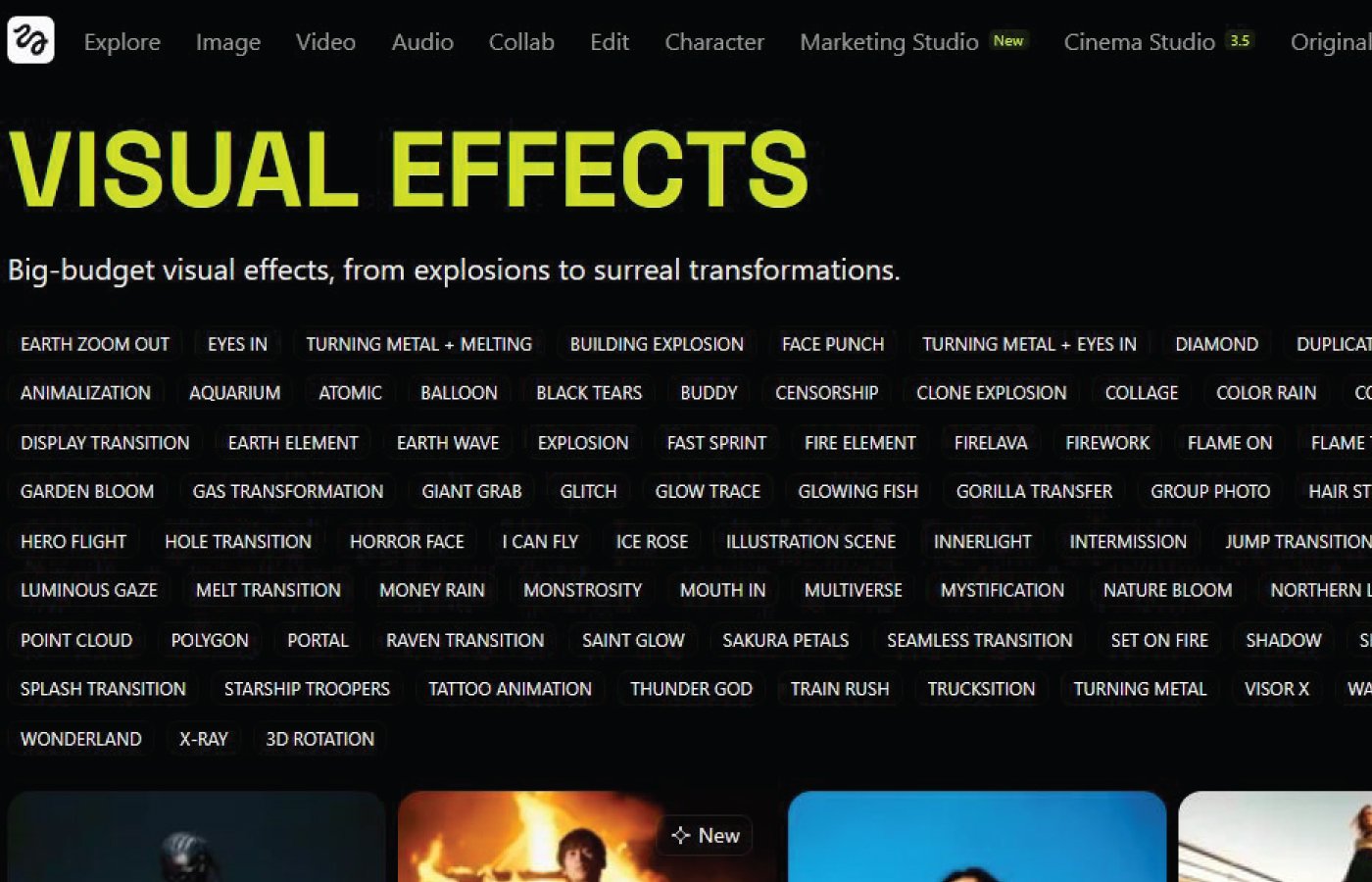
Higgsfield AI VFX
Higgsfield AI is purpose-built for visual effects and cinematic video generation. It focuses on generating dynamic, motion-rich video clips with sophisticated camera movements, lighting effects, and stylistic control. It is particularly strong at generating action sequences, product reveals, and branded content with a high-production feel.
For video creators and agencies in the United States looking to add cinematic VFX without a full post-production team, Higgsfield AI offers a compelling and rapidly improving solution.
Hostinger Business Hosting
Get high-speed, secure hosting for your website. Limited-time 20% discount available.
Claim 20% Discount Visit HostingerKling AI
Kling AI, developed by Kuaishou, has become one of the most capable and widely used AI video generators in 2026. It offers text-to-video and image-to-video generation with strong motion quality and surprisingly good handling of human movement. Kling 1.6 and later versions significantly improved realism, making it a genuine competitor to Sora and Veo 3.
American creators love Kling for its generous free tier and its ability to generate longer video clips than most competing tools. It is one of the most practical AI video tools in 2026 for everyday content production.
Luma Dream Machine
Luma AI’s Dream Machine is a fast and accessible AI video generation tool that produces smooth, realistic video clips from text and image prompts. It is especially strong at generating product visualizations and lifestyle video content. The tool has a clean web interface that requires no technical knowledge, and it produces results quickly enough to be used in iterative creative workflows.
Dream Machine has become a go-to tool for e-commerce brands and social media teams that need to generate short video content at scale without a film crew.
Runway ML Custom AI Video Generation
Runway is one of the most established AI video platforms in the market. Its Gen-3 Alpha model produces high-quality video clips with impressive cinematic quality. Beyond generation, Runway offers a full suite of AI-powered video editing tools including background removal, motion tracking, inpainting, and video-to-video transformation.
For serious video creators and production studios, Runway is the most comprehensive AI video platform available in 2026. Many of the AI-generated video clips you see in commercials and branded content have passed through Runway at some point in the production pipeline.
Descript AI Video Creation
Descript takes a completely different approach to video creation and editing. Instead of working with a traditional timeline editor, Descript lets you edit video and audio by editing a text transcript. Delete a word in the transcript, and the corresponding video and audio are cut. Add text, and Descript’s AI voice cloning feature (Overdub) can regenerate your voice saying the new words.
For podcasters, YouTubers, and interview-based content creators across America, Descript is one of the most intuitive and powerful tools available. It turns anyone into a capable video editor without requiring years of experience in Premiere Pro or Final Cut.
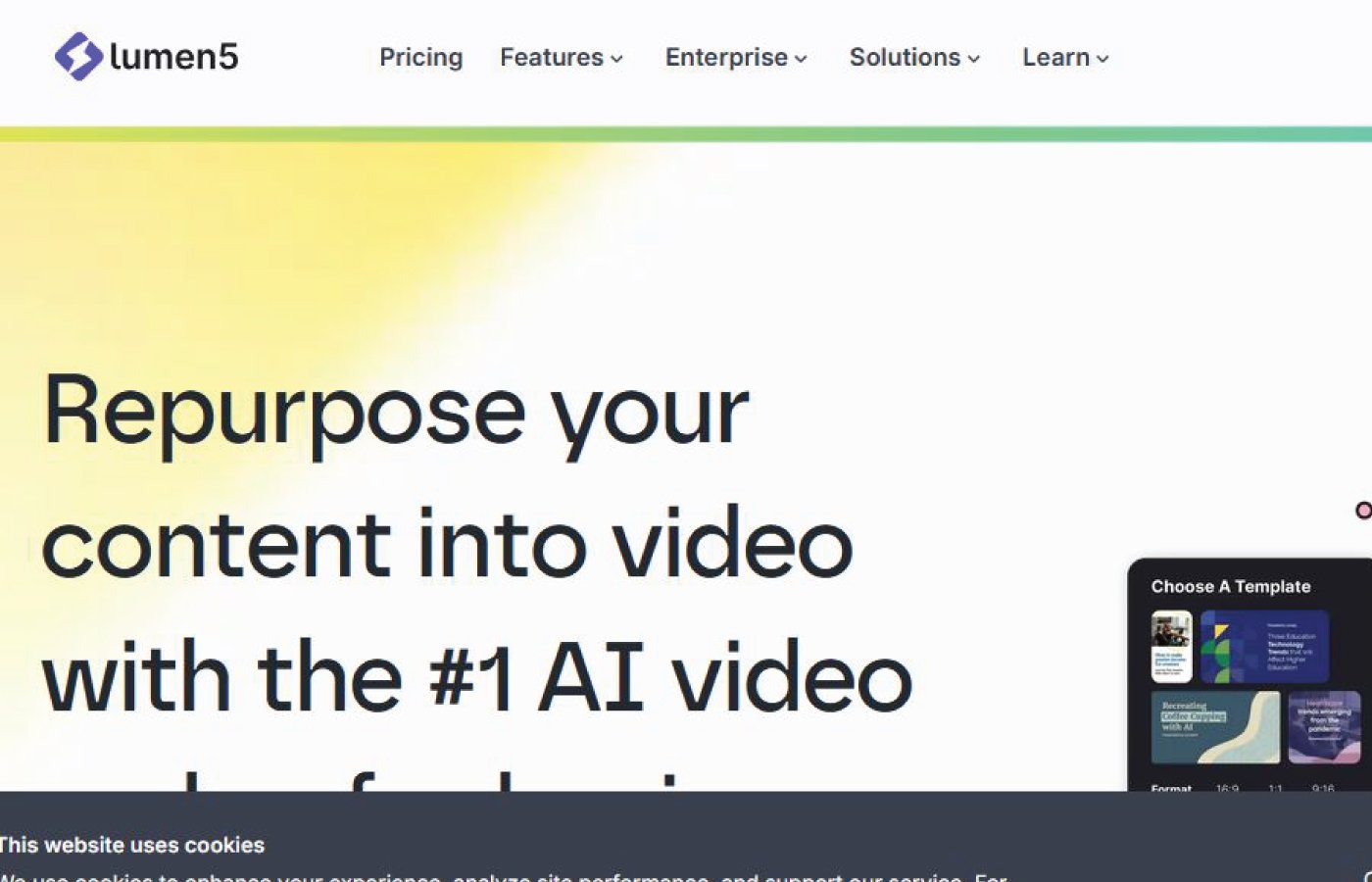
Lumen5 AI Video Generation
Lumen5 specializes in turning text content into engaging video. Paste a blog post URL or script, and Lumen5 will automatically create a video with relevant visuals, text overlays, and music. It is widely used by marketing teams, news organizations, and content agencies that need to repurpose written content into video at scale.
Hostinger Business Hosting
Get high-speed, secure hosting for your website. Limited-time 20% discount available.
Claim 20% Discount Visit HostingerFor US-based content teams working with high publishing volumes, Lumen5 dramatically reduces the time it takes to produce video content. A blog post that would take hours to manually turn into video can be processed in minutes.
Pictory AI Video Expert
Pictory is another excellent text-to-video tool that is particularly strong at creating short-form video clips from long-form content. It can transform webinars, podcasts, and long YouTube videos into short, shareable highlight clips. Pictory also automatically generates captions, which is critical for social media engagement.
Content repurposing teams and social media managers across America use Pictory to maximize the value of every piece of long-form content they produce. It is one of the smartest investments for any content-heavy business.
Synthesia AI Avatar Expert
Synthesia is the leading AI avatar video platform for corporate and educational use. Create a professional talking-head video by typing your script — no camera, no studio, no presenter needed. Synthesia offers over 230 AI avatars in 140-plus languages, making it the top choice for global training and communications content.
HR teams, learning and development professionals, and corporate communications teams at major US companies use Synthesia to produce onboarding videos, compliance training, and internal communications at a fraction of the traditional cost. It is the most trusted AI avatar platform in the enterprise market.
InVideo AI Video Creator
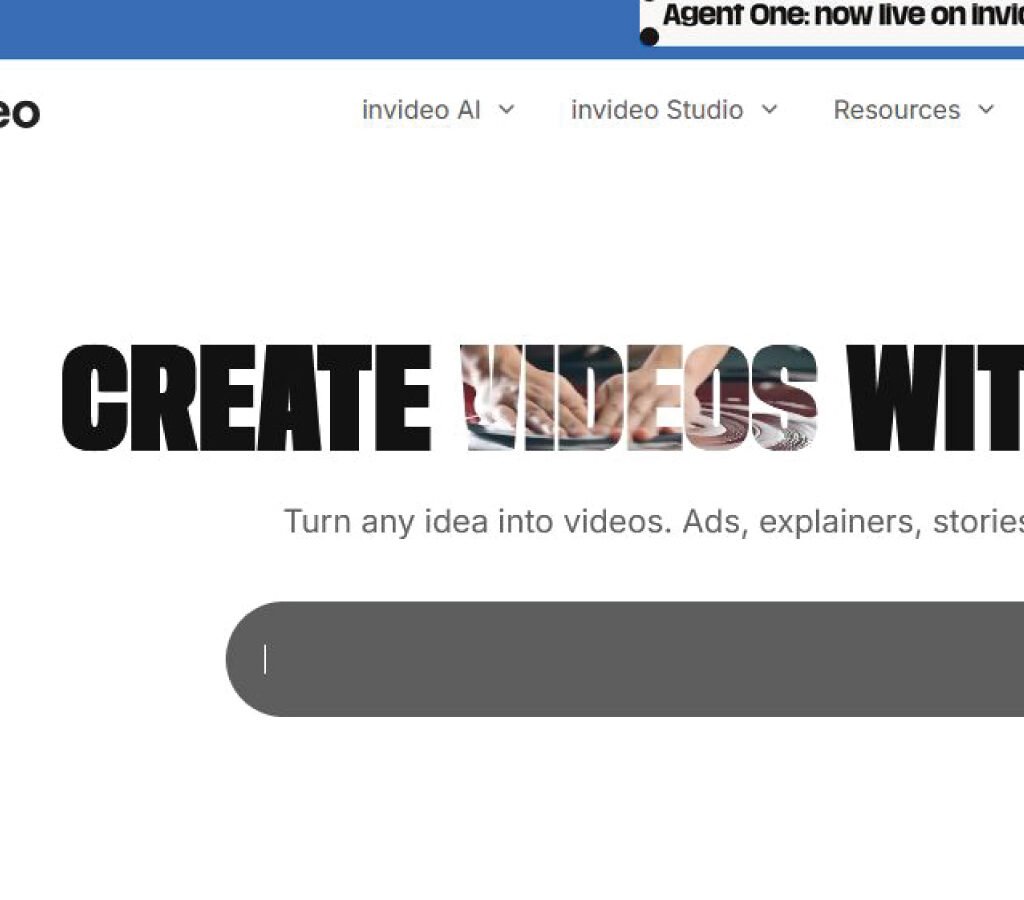
InVideo AI is one of the most feature-rich and beginner-friendly AI video creation platforms available in 2026. It combines text-to-video generation with a powerful template library, stock footage integration, and AI voice generation. You can go from a simple text prompt to a fully produced video with voiceover, visuals, and music in under five minutes.
Hostinger Business Hosting
Get high-speed, secure hosting for your website. Limited-time 20% discount available.
Claim 20% Discount Visit HostingerInVideo AI has a massive and growing user base among solo creators, small businesses, and marketing teams. Its pricing is competitive, its output quality has improved significantly, and its ease of use makes it one of the most recommended starting points for anyone new to AI video creation.
Wibbitz
Wibbitz is an enterprise-focused AI video creation platform designed for newsrooms, publishers, and media companies. It turns text stories into polished videos automatically using a combination of licensed stock footage, AI voiceover, and automatic text overlay. The platform is used by major media organizations to produce video content at editorial speed.
For US-based publishers and digital media companies that need to produce dozens of videos per day, Wibbitz provides the automation and quality control needed to scale video production without scaling headcount.
RawShorts
RawShorts is an AI-powered animated video maker that turns scripts and text into animated explainer videos. It is especially popular for creating product explainers, company overview videos, and educational content. RawShorts uses natural language processing to analyze your script and automatically select relevant animations, transitions, and visuals.
Small businesses and educators across America use RawShorts to create professional animated videos without hiring an animation studio. It is an affordable, accessible, and surprisingly capable tool for explainer content.
AI Video Editing and Collaboration Tools in 2026
Creating great video is only half the battle. Editing, refining, and publishing it efficiently is where many creators lose time. The tools in this section are built to speed up that entire process using AI, making collaboration smoother and turnaround times faster.
VEED.IO AI Avatar and AI Video Creator
VEED.IO has grown from a simple online video editor into a full AI video platform. It now offers AI avatars, AI voice generation, automatic subtitles, translation into 100-plus languages, and a suite of video editing tools — all in a browser-based interface that requires no software downloads.
VEED.IO is especially popular among content creators, educators, and small marketing teams that need an all-in-one solution they can access from anywhere. Its translation and dubbing features make it a standout tool for creators trying to reach international audiences from a US base.
Clipchamp
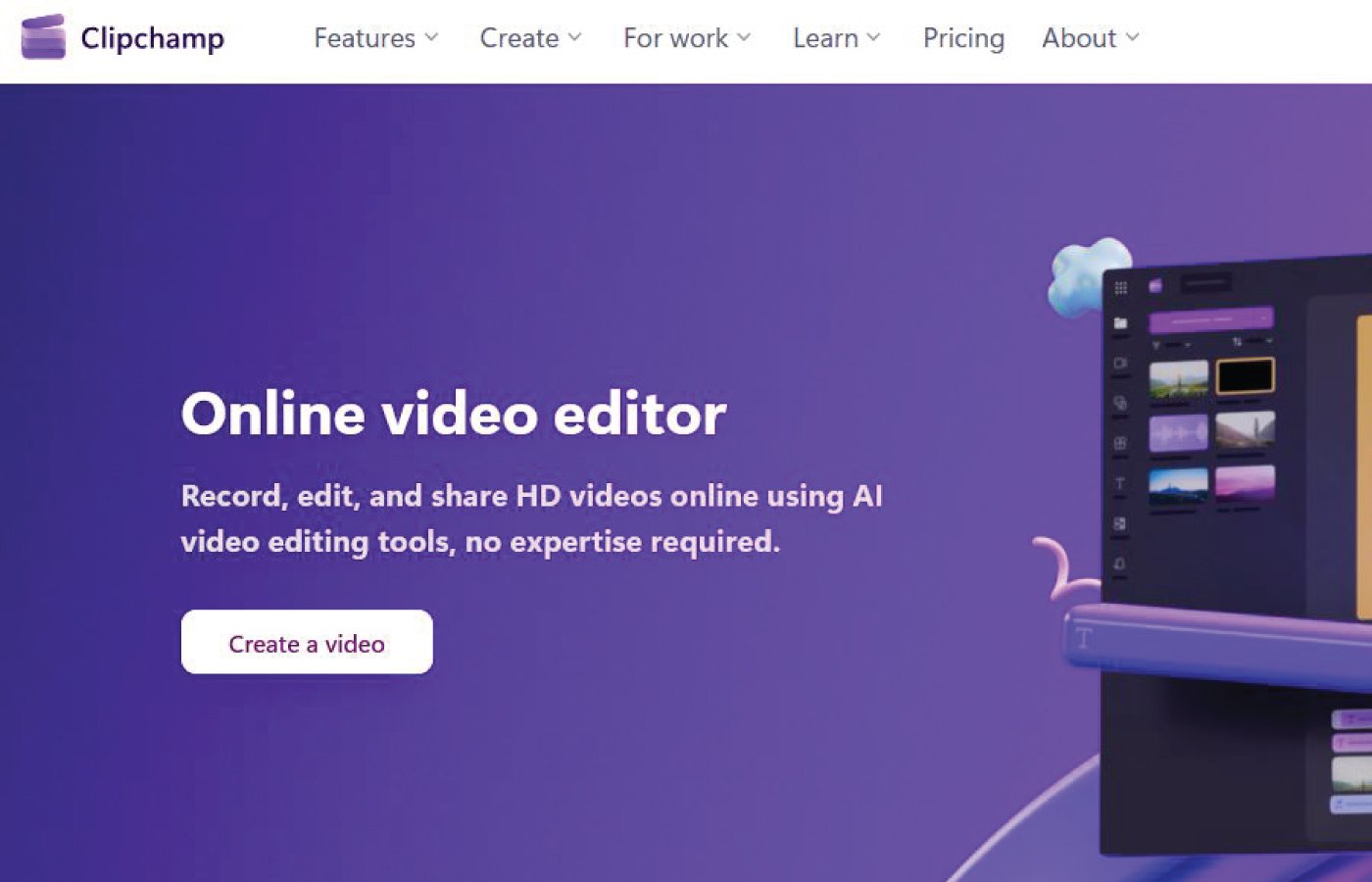
Clipchamp is Microsoft’s browser-based video editor, now deeply integrated with Microsoft 365. In 2026, Clipchamp added AI-powered features including automatic captioning, text-to-speech, background noise removal, and smart trimming suggestions. For Windows users and Microsoft 365 subscribers, Clipchamp is a free and capable video editing tool that gets better with every update.
It is particularly useful for business users who need to create quick internal videos, screen recordings, or social content without leaving the Microsoft ecosystem.
Flixier
Flixier is a cloud-based video editor built for speed and collaboration. It uses cloud rendering, which means videos export dramatically faster than traditional desktop editing software. Teams can collaborate on the same project in real time from different locations, making Flixier a strong choice for distributed content teams.
AI features in Flixier include automatic subtitle generation, AI voiceover, and smart clip trimming. For small agencies and remote production teams across America, Flixier offers a modern, fast, and collaborative video editing experience that legacy desktop tools simply cannot match.
Motionbox.io
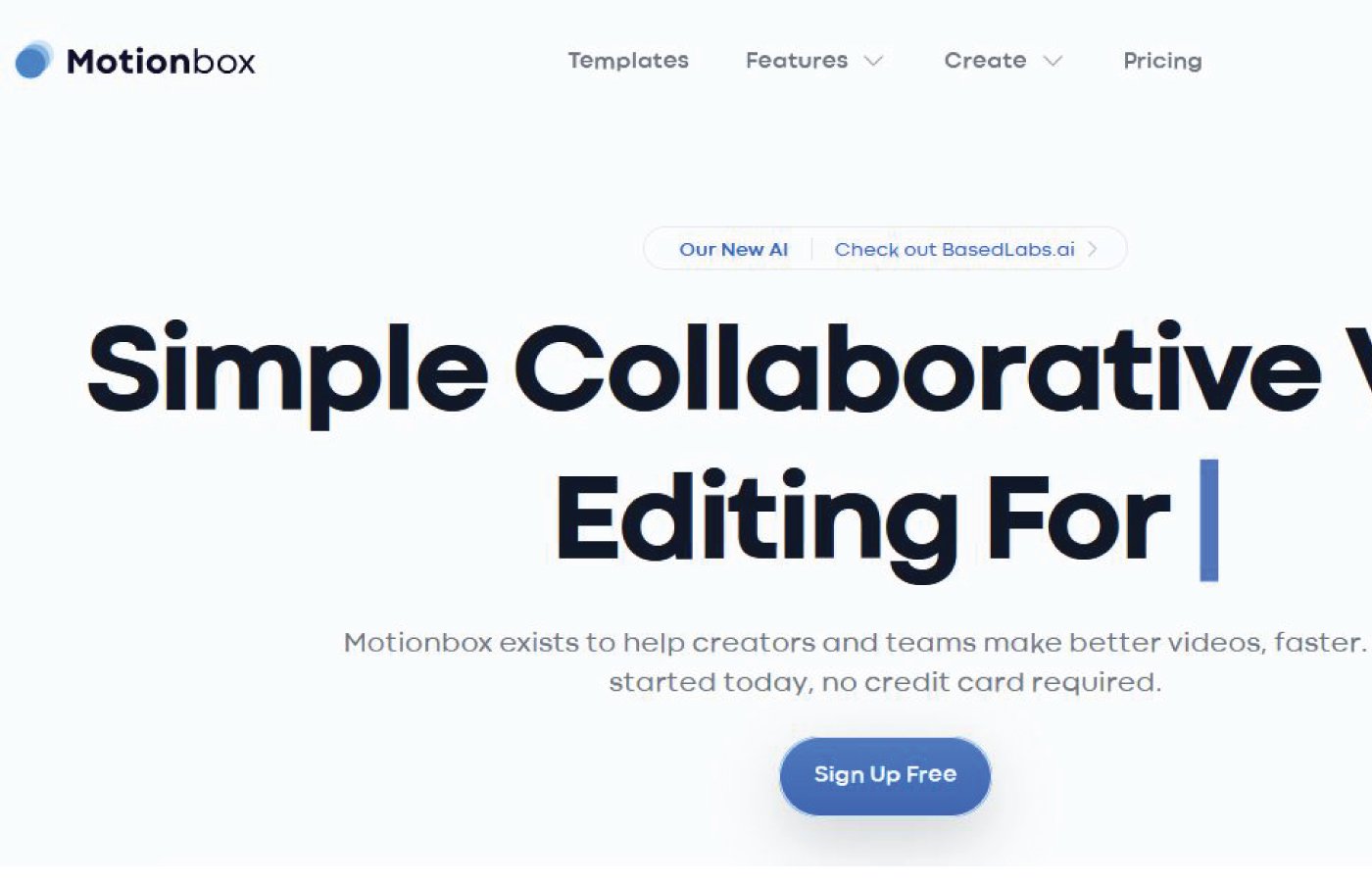
Motionbox is a video collaboration and marketing platform that focuses on making it easy for teams to create branded video content together. It includes AI-powered tools for automatic video resizing, caption generation, and template-based video creation. It is designed specifically for marketing teams that need to produce consistent, on-brand video content across multiple channels.
Hostinger Business Hosting
Get high-speed, secure hosting for your website. Limited-time 20% discount available.
Claim 20% Discount Visit HostingerNano Banana
In addition to its Veo 3 integration discussed earlier, Nano Banana offers a broader set of short-form video creation tools. It helps creators quickly iterate on video concepts and produce multiple variations of content for A/B testing — a feature that digital marketers particularly value.
AI Dubbing and Voiceover Tools in 2026
One of the most practical applications of AI in content creation is voiceover and audio production. In 2026, AI voice tools have reached a level of realism that makes it nearly impossible to distinguish from a human recording. These tools are saving content creators and businesses thousands of dollars on studio time and voice talent.
ElevenLabs
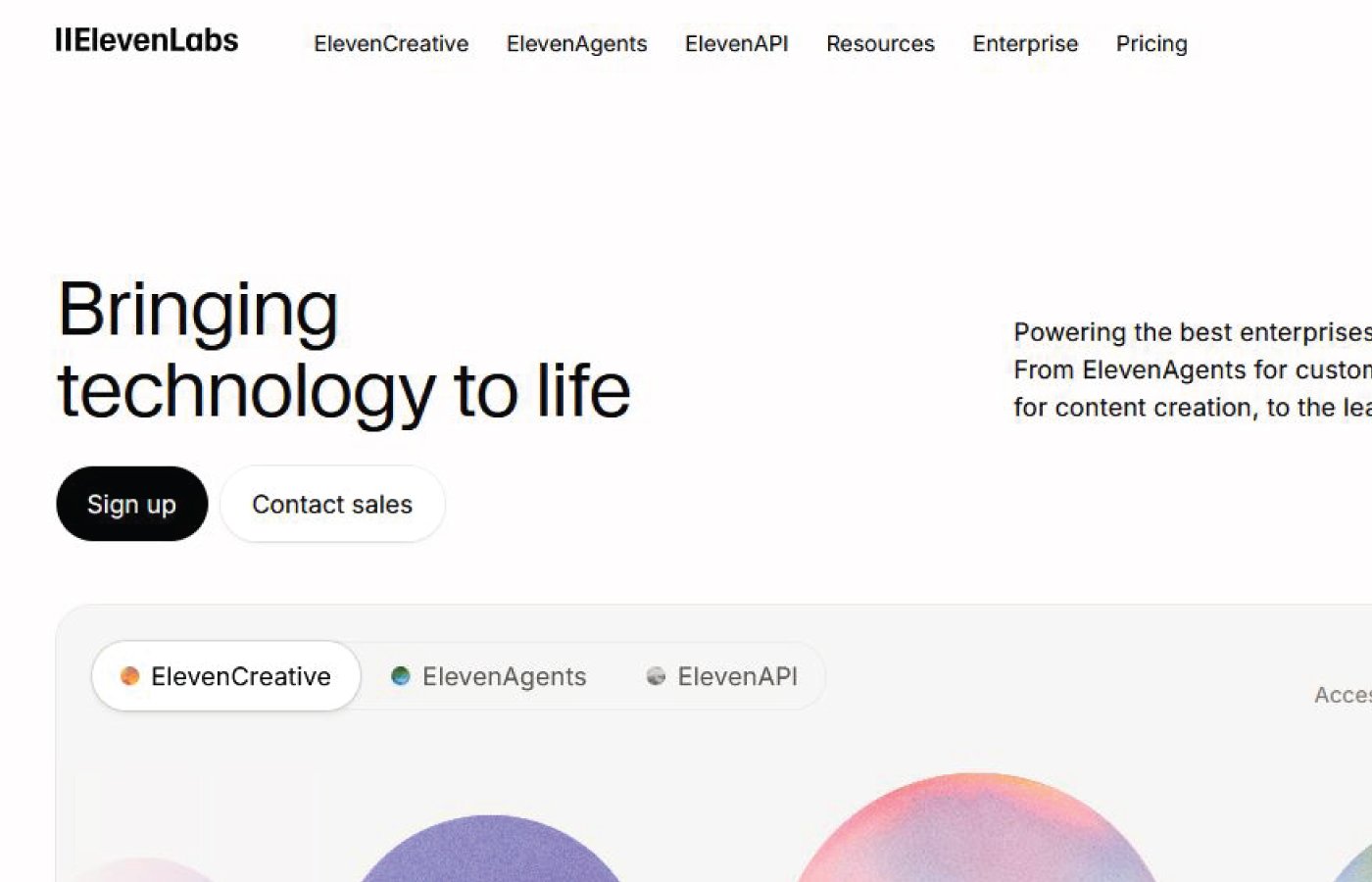
ElevenLabs is the gold standard for AI voice generation in 2026. Its voices are startlingly realistic, with natural pacing, emotion, and intonation. It supports 32 languages, offers voice cloning from just a few seconds of audio, and provides fine-grained control over delivery style.
Hostinger Business Hosting
Get high-speed, secure hosting for your website. Limited-time 20% discount available.
Claim 20% Discount Visit HostingerPodcasters, audiobook creators, video producers, and e-learning developers across the United States use ElevenLabs to produce professional audio at a fraction of the cost of hiring voice talent. Its voice cloning feature is particularly powerful for creators who want to maintain a consistent audio persona across large amounts of content.
Murf AI
Murf AI is a studio-quality AI voiceover platform designed for professional content creators and business teams. It offers 120-plus voices across 20 languages, with options to control pitch, speed, and emphasis. Murf also includes a built-in video and image sync feature so you can create narrated presentations directly inside the platform.
Marketing agencies, e-learning developers, and corporate training teams use Murf to create polished voiceovers quickly and affordably. It is one of the most complete and production-ready AI voice platforms available.
Descript Overdub
Descript’s built-in Overdub feature deserves special mention as a voiceover tool. It allows you to clone your own voice and then regenerate any part of your recording by simply typing. Made a mistake? Instead of re-recording, just type the correct text and Overdub generates a seamless replacement in your voice. For solo podcasters and YouTubers, this feature alone is worth the Descript subscription.
AI Productivity and Writing Tools in 2026
Great visuals and video mean nothing without clear, compelling writing behind them. The AI productivity and writing tools in this section help you think, write, research, and organize faster than ever before. These tools are not just automating tasks — they are genuinely augmenting human intelligence.
Gemini AI
Google’s Gemini is one of the most powerful and versatile AI assistants in 2026. Available through Google Workspace, the Gemini app, and as a built-in feature in Chrome and Android, Gemini has become deeply woven into the daily workflows of millions of Americans. It can search the web in real time, analyze documents, generate images with Imagen, write code, and hold multi-turn conversations with impressive coherence.
Gemini Ultra and Gemini Advanced offer the highest level of capability for professionals who need an AI assistant that can handle complex, multi-step tasks. Its integration with Gmail, Google Docs, Sheets, and Slides makes it the most practical AI tool for users already in the Google ecosystem.
Claude by Anthropic
Claude is Anthropic’s flagship AI assistant, and in 2026 it stands as one of the most capable and reliable large language models available. Claude Sonnet 4.6 and Opus 4.6 lead the current model family, offering exceptional performance on writing, analysis, research, coding, and long-form reasoning tasks.
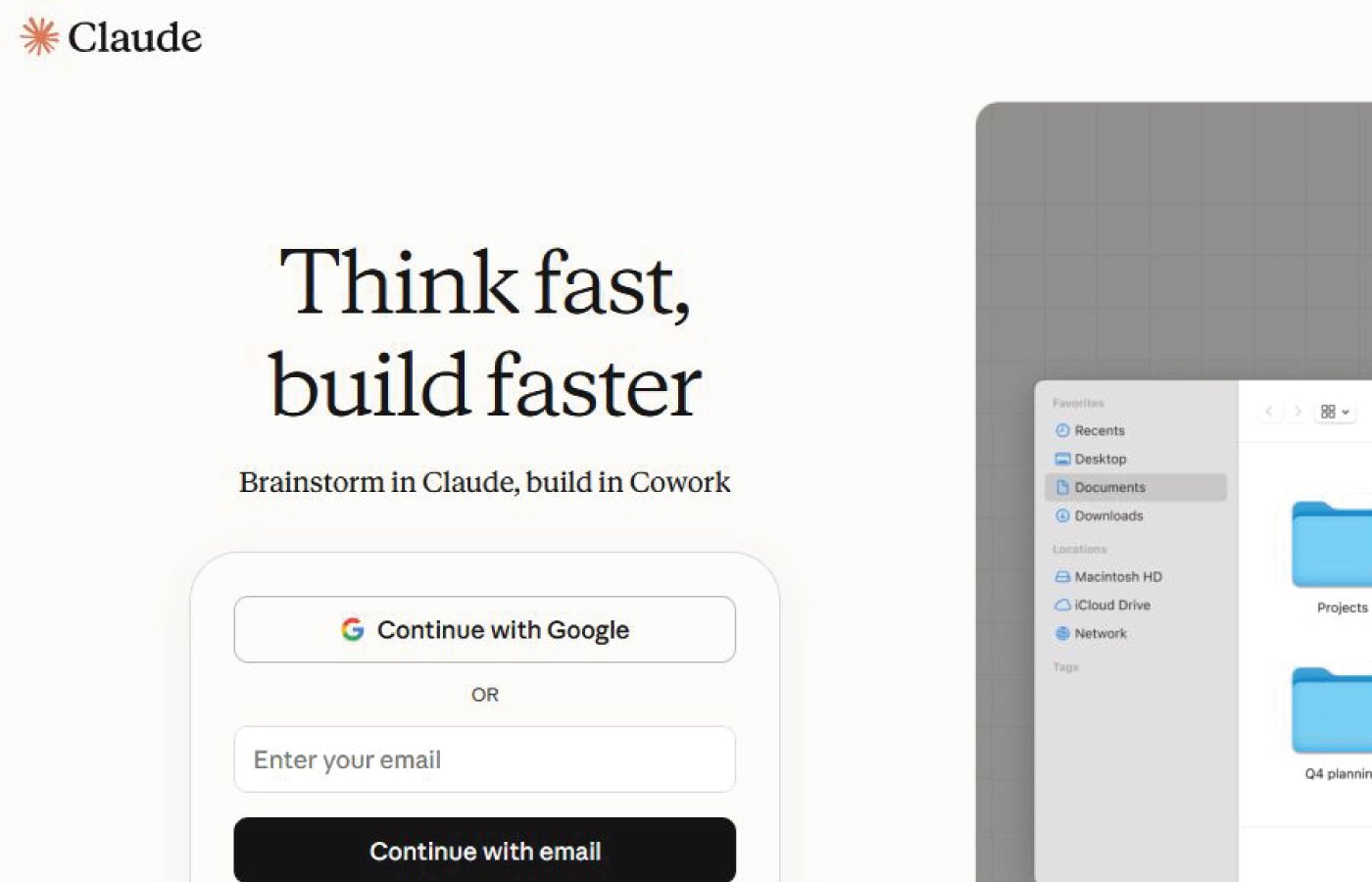
What distinguishes Claude is its nuanced understanding of complex topics, its ability to handle very long documents and conversations, and its thoughtful, clear writing style. It is the preferred AI writing and analysis tool for professionals who need consistent quality and depth. Claude is available via claude.ai, the Claude mobile app, Claude Code for developers, and through integrations with tools like Excel and PowerPoint. For content creators, analysts, lawyers, and developers across the United States, Claude is a daily productivity engine.
Microsoft Copilot 365
Microsoft Copilot is the AI productivity layer built directly into Word, Excel, PowerPoint, Outlook, and Teams. For enterprise users, it is one of the most impactful AI tools in 2026 because it meets workers where they already are. Copilot can draft emails, summarize long meeting transcripts, analyze spreadsheet data, and generate entire presentation decks from a simple text brief.
Organizations that have deployed Microsoft 365 Copilot report significant reductions in time spent on repetitive writing and analysis tasks. For American businesses operating at scale, this tool has a measurable ROI that is hard to ignore.
Notion AI
Notion AI has transformed the popular workspace and note-taking tool into an AI-powered knowledge management platform. You can ask questions about your entire Notion workspace, get instant summaries of meeting notes, auto-generate project briefs, and translate content into other languages — all without leaving Notion.
For remote teams, startups, and knowledge workers across America, Notion AI reduces the time spent searching for information and formatting documents. It is one of the most practical and well-integrated AI productivity tools available today.
Perplexity AI
Perplexity AI is redefining online research. Instead of returning a list of links, Perplexity synthesizes information from multiple web sources and presents a clear, cited answer in conversational language. It is updated in real time, which makes it significantly more useful than AI tools that rely solely on training data.
Researchers, journalists, marketers, and business analysts use Perplexity as their first stop for any question that requires current, accurate information. Its citation format allows you to quickly verify sources and dig deeper when needed. For anyone doing serious research in 2026, Perplexity is an essential daily tool.
AI Tool Specification Comparison Table
The table below provides a quick side-by-side comparison of all 30 AI tools covered in this guide. Use it to identify which tools align with your workflow, budget, and goals before committing to any platform.
| Tool Name | Category | Best For | Free Plan | Starting Price | Platform |
|---|---|---|---|---|---|
| Midjourney AI | Image Generation | Artistic and brand visuals | No | $10/month | Web, Discord |
| FLUX AI | Image Generation | Photorealistic images, developer use | Yes (limited) | Free / API-based | Web, API |
| Adobe Firefly | Image Generation | Commercial-safe design, Adobe users | Yes | Included in Adobe CC | Web, Desktop |
| Canva AI | Image Generation | Social media, marketing materials | Yes | $15/month (Pro) | Web, Mobile |
| Ideogram AI | Image Generation | Text-in-image, branded graphics | Yes | $8/month | Web |
| app.recraft | Image Generation | Brand-consistent visuals, vectors | Yes | $12/month | Web |
| Seedream 4.0 | Image Generation | Lifestyle and e-commerce imagery | Yes | Free / API-based | Web |
| Sora AI | Video Generation | Cinematic AI video clips | No | Included in ChatGPT Pro | Web |
| Google Veo 3 | Video Generation | High-realism AI video | Limited | Google One AI Premium | Web |
| Nano Banana | Video Generation | Short-form content, TikTok/Reels | Yes | Free / Paid tiers | Web |
| Higgsfield AI | Video Generation | VFX, cinematic branded content | Yes | $19/month | Web |
| Kling AI | Video Generation | Realistic motion, longer clips | Yes | $10/month | Web |
| Luma Dream Machine | Video Generation | Product video, lifestyle content | Yes | $29.99/month | Web |
| Runway ML | Video Generation | Professional video production | Yes | $15/month | Web |
| Descript | Video Editing | Podcast and YouTube editing | Yes | $24/month | Web, Desktop |
| Lumen5 | Video Generation | Blog-to-video content repurposing | Yes | $29/month | Web |
| Pictory AI | Video Generation | Long-form to short-form clips | Yes | $25/month | Web |
| Synthesia | AI Avatar Video | Corporate training, HR videos | No | $29/month | Web |
| InVideo AI | Video Generation | Beginners, small business | Yes | $25/month | Web |
| Wibbitz | Video Generation | Newsrooms, media publishers | No | Custom pricing | Web |
| RawShorts | Animated Video | Explainer videos, education | Yes | $49/month | Web |
| VEED.IO | Video Editing | Multilingual content, avatars | Yes | $18/month | Web |
| Clipchamp | Video Editing | Windows / Microsoft 365 users | Yes | Free / Microsoft 365 | Web, Desktop |
| Flixier | Video Editing | Remote teams, fast cloud editing | Yes | $14/month | Web |
| Motionbox.io | Video Collaboration | Brand video for marketing teams | Yes | $15/month | Web |
| ElevenLabs | Voiceover / Dubbing | Realistic AI voices, voice cloning | Yes | $5/month | Web, API |
| Murf AI | Voiceover | Professional narration, e-learning | Yes | $29/month | Web |
| Gemini AI | Productivity / Writing | Google Workspace users | Yes | $19.99/month (Advanced) | Web, Mobile |
| Claude by Anthropic | Productivity / Writing | Writing, analysis, coding, research | Yes | $20/month (Pro) | Web, Mobile, API |
| Microsoft Copilot 365 | Productivity | Enterprise Microsoft 365 users | No | $30/user/month | Desktop, Web |
The Real Cost of Not Using AI Tools in 2026
Before we talk about how to choose the right tools, it is worth pausing on something that does not get discussed enough. The cost of NOT using AI in 2026 is real and growing.
Think about what it takes to produce a single piece of high-quality marketing content without AI. A blog post might take three to four hours. A short video could take an entire day of recording, editing, and rendering. A product image set could require a photographer, a studio, and a post-production editor. A voiceover needs a recording session and a voice actor.
Now look at what the same outputs cost with the right AI tools in 2026. A blog post takes forty-five minutes. A short video takes under an hour. Product images are generated in minutes. Voiceover is done before lunch.
That is not a marginal efficiency gain. That is a structural advantage. Businesses and creators using AI tools in 2026 are operating with a multiplied capacity compared to those who are not. And because these tools keep improving, the gap is not closing on its own. If anything, it is accelerating.
This does not mean AI replaces human creativity or judgment. The best results still come from people who know what they want, who have taste, and who direct these tools with intention. But those people, armed with the right AI stack, can now outproduce entire teams that are working without them.
Understanding this context makes the decision to invest in AI tools feel less like a trend and more like the obvious, necessary step it actually is.
The Rise of the AI-Native Creator
A new type of professional has emerged in 2026: the AI-native creator. This is someone who builds their entire content workflow around AI tools from the ground up. They do not add AI as a layer on top of their old process. They design their process around AI capabilities.
AI-native creators use Midjourney or FLUX to generate their visuals. They use Claude or Gemini to draft and refine their writing. They use InVideo AI or Runway to produce their video content. They use ElevenLabs for their voiceover. And they use tools like Notion AI or Perplexity to research and organize everything.
The result is a solo creator who produces output at the scale and quality of a small agency. This model is increasingly common across the United States, and it is reshaping what it means to build a media business, a brand, or a content-driven company.
Why US-Based Creators and Businesses Have an Edge
Access to AI tools is global, but American creators and businesses have structural advantages when it comes to leveraging them. Robust internet infrastructure, access to English-language AI models that are most mature and capable, and a business culture that rewards early technology adoption all contribute to a favorable environment.
Additionally, the US market is the primary target for most AI tool development. New features, beta access, and customer support resources are often US-first. That means American creators and businesses have the earliest and most comprehensive access to improvements as these tools evolve.
The combination of tool access, market opportunity, and cultural openness to experimentation means that US-based professionals who commit to building an AI-powered workflow in 2026 are well-positioned to build a sustainable competitive advantage.
How to Choose the Right AI Tools for Your Workflow
With 30 tools on this list, it is tempting to try all of them at once. That approach almost always leads to tool overload and frustration. Instead, use a simple framework to narrow your choices and build a focused AI stack.
Start With Your Biggest Bottleneck
Identify where you lose the most time every week. If you spend hours on video editing, start there. If writing is your pain point, begin with Claude or Gemini. Solving your biggest bottleneck first delivers the most immediate return on your time and money.
Match the Tool to Your Existing Workflow
The best AI tool is the one that integrates naturally with where you already work. If you live in Google Workspace, Gemini is a natural fit. If you are a Microsoft 365 user, Copilot belongs in your stack. If you are already in Adobe Creative Cloud, Firefly is a no-brainer.
Test Before You Commit
Every tool on this list offers either a free plan or a free trial. Test at least two or three options in each category before choosing. What works well for one creator may not suit another, and the best way to find your match is through direct experience.
Keep Your Stack Lean
You do not need all 30 tools. In practice, three to five well-chosen AI tools can handle the vast majority of most professionals’ needs. A lean, mastered stack beats a bloated collection of underused apps every single time. Focus on depth over breadth.
Consider Your Data Privacy Needs
If you work with sensitive client data, proprietary business information, or confidential documents, pay close attention to each tool’s data privacy policy. Tools like Claude, Gemini, and Microsoft Copilot offer enterprise-grade data protection options. For smaller tools, review their terms of service carefully before processing sensitive material.
Final Thoughts
The AI tools in 2026 are not a luxury. For professionals and businesses in the United States who want to stay competitive, these tools are becoming as essential as a laptop or a smartphone. The gap between those who use AI effectively and those who do not is widening every month.
The thirty tools on this list represent the best of what is available right now. Each one has been selected because it delivers genuine, measurable value — not just novelty. Some of them will save you hours every week. Others will unlock capabilities you simply did not have before.
You do not need to adopt all of them today. Start with one or two that address your most pressing workflow challenges. Learn them well. Build from there.
The compounding advantage of mastering AI tools early is very real. Professionals who started using these tools two years ago are producing more output at higher quality with smaller teams. That advantage only grows over time.
The question is not whether to use AI tools in 2026. The question is which ones you are going to master first.
Also, check the recent article about the best laptop for graphic design here.
For beginners, the best starting points are Canva AI for design, InVideo AI for video, and Claude or Gemini for writing. All three have free plans, intuitive interfaces, and produce impressive results without requiring any technical knowledge. Starting with one tool and mastering it before expanding your stack is the recommended approach for anyone new to AI.
In 2026, Google Veo 3 and Sora AI consistently produce the most cinematic and realistic video output. Kling AI and Runway ML Gen-3 are strong alternatives with more accessible pricing and generous free tiers that make them practical for everyday creators who need high quality without enterprise budgets.
It depends on the tool. Adobe Firefly is specifically built for commercial use and trained on licensed content, making it the safest choice for commercial projects. Midjourney, Canva AI, and Ideogram also permit commercial use on paid plans. Always review the terms of service of each tool before publishing AI-generated content commercially, as policies can vary significantly.
ElevenLabs is widely considered the best AI voiceover tool in 2026 for its realism, voice cloning capabilities, and multilingual support across 32 languages. Murf AI is an excellent alternative for teams that need a built-in workflow for syncing voiceover with video and presentations inside a single platform.
Most AI tools in 2026 offer a free tier alongside paid plans that range from five dollars to thirty dollars per month for individual users. Enterprise and team pricing varies significantly depending on features and user count. The tools covered in this guide span a wide range of budgets, from completely free options to professional plans priced for larger teams and agencies.
No, and they are not designed to. The best results in 2026 consistently come from people who direct AI tools with intention, taste, and strategic thinking. AI tools amplify human creativity by handling repetitive and time-consuming production tasks, freeing up creatives to focus on ideas, strategy, and quality control. The most successful AI users are those who treat these tools as collaborators, not replacements.
Yes. Claude by Anthropic is one of the top AI writing tools in 2026. It excels at long-form writing, research, SEO content, analysis, and nuanced editing. Claude Sonnet 4.6 and Opus 4.6 are the current flagship models and are available via claude.ai, the Claude mobile app, and integrations with Microsoft Office tools.
Midjourney is optimized for artistic, high-quality image generation with a strong aesthetic sensibility, and it is best for creative and branding projects. Adobe Firefly is optimized for commercial safety, trained on licensed content, and integrated directly into the Adobe Creative Cloud suite. Midjourney produces more visually striking outputs, while Firefly is the safer choice for commercial and enterprise use.
For US small businesses, the most practical AI tools in 2026 are Canva AI for design, InVideo AI for video, Claude for writing and customer communication, ElevenLabs for voiceover, and Notion AI for team productivity. Each has affordable pricing, strong free tiers, and delivers immediate business value without requiring technical expertise.
Start by identifying your biggest time drain each week. Then look for tools that integrate with software you already use. Take advantage of free plans to test two or three options before committing. Build a lean stack of three to five well-chosen tools rather than trying to use every AI platform available. Mastery of a few tools delivers more value than shallow use of many.